
Handcrafted Furniture
& Handwoven Items
Sawdust & Lint are the
byproducts of what we make
We are a husband and wife whose over 25 years of marriage has involved several major antique home restorations. We believe the quality and character of our human nests are important in our chaotic world. We are now settled in an 18th century cape with its original barn in the Monadnock region of New Hampshire, the natural beauty of which has long attracted and inspired artists and writers. We follow in their footsteps, fortunate to be part of the cultural heritage of the region.
Our Work
We focus on crafting beautiful and utilitarian items, fashioned from locally grown trees and fibers from both near and far.
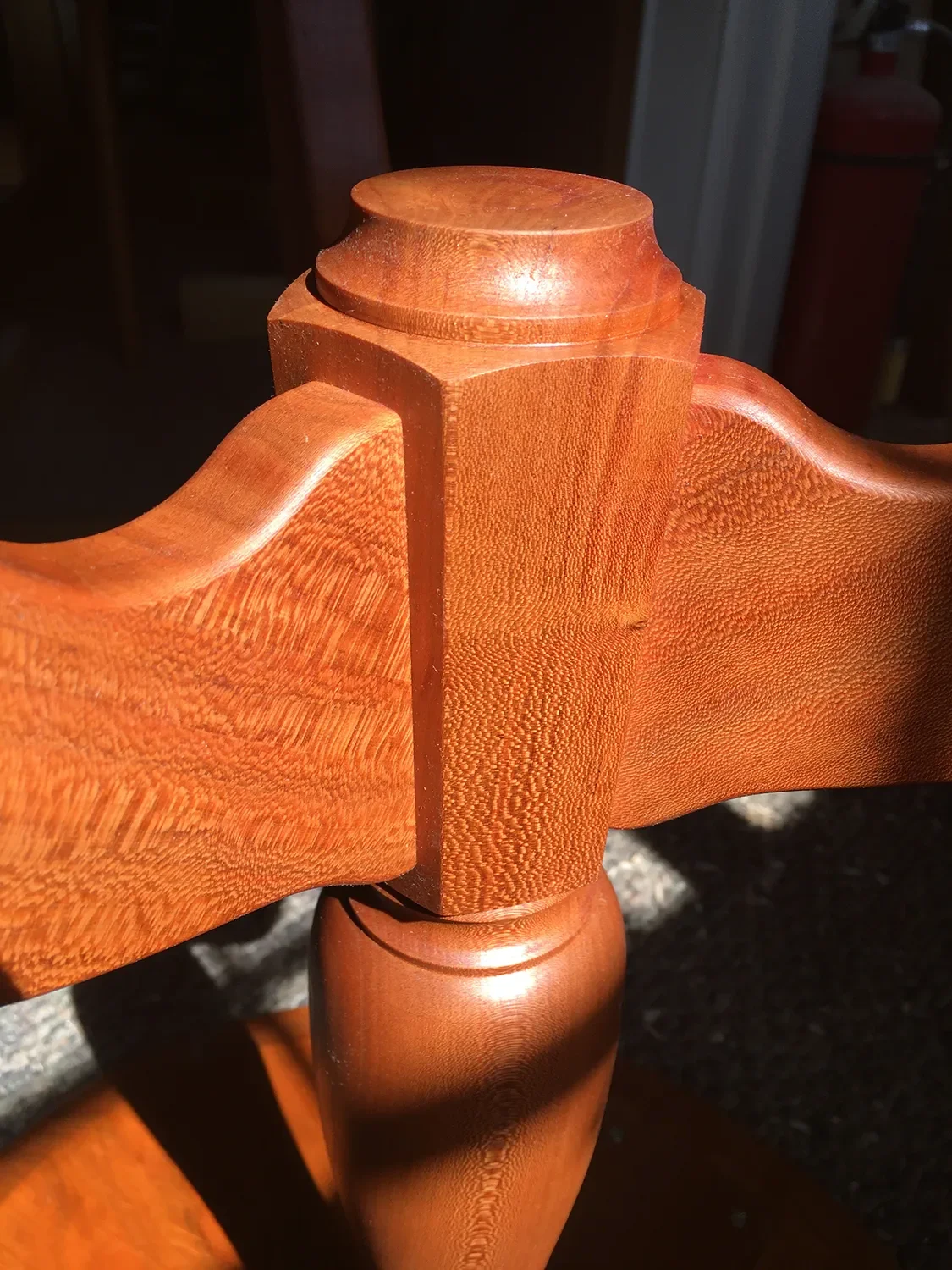
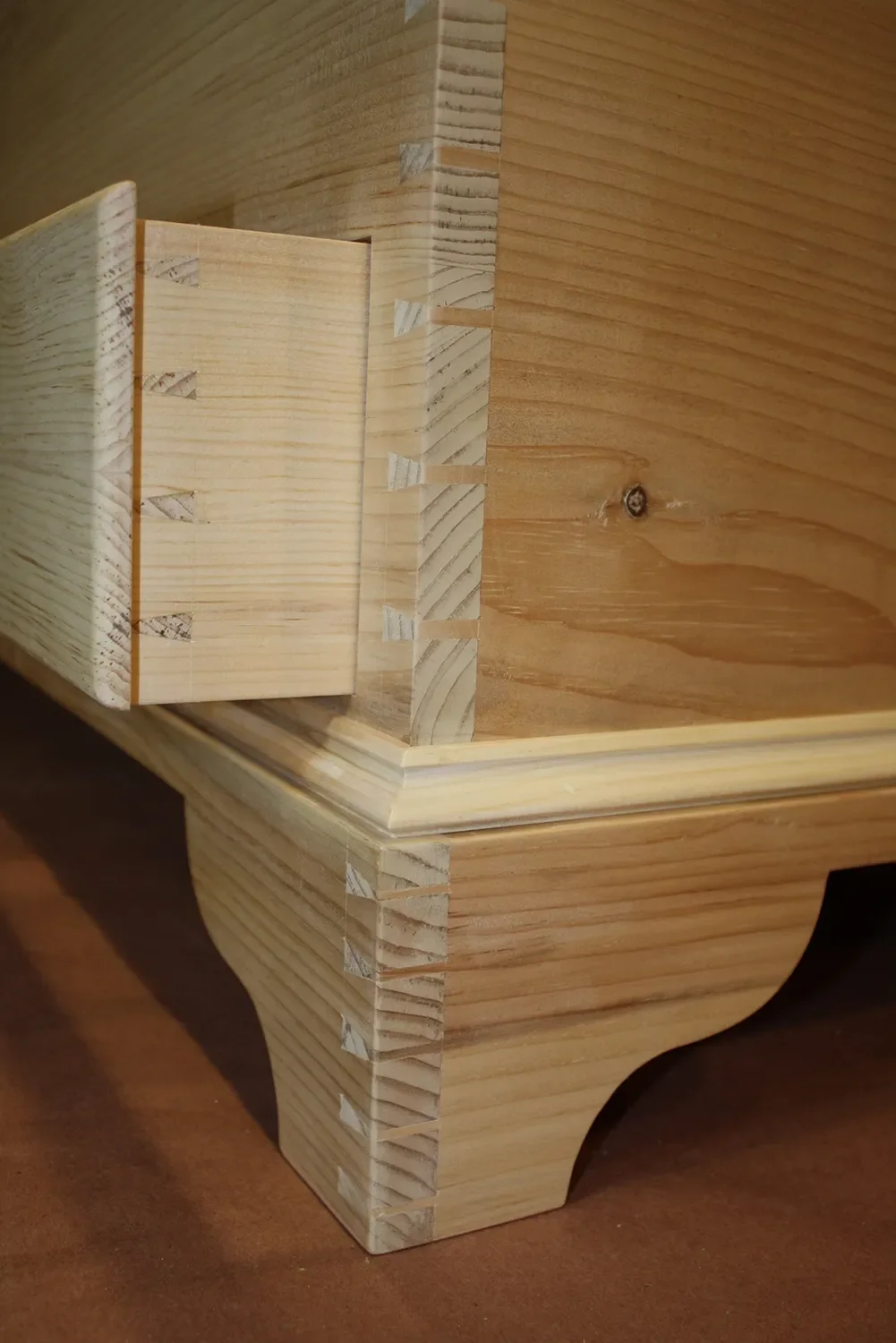
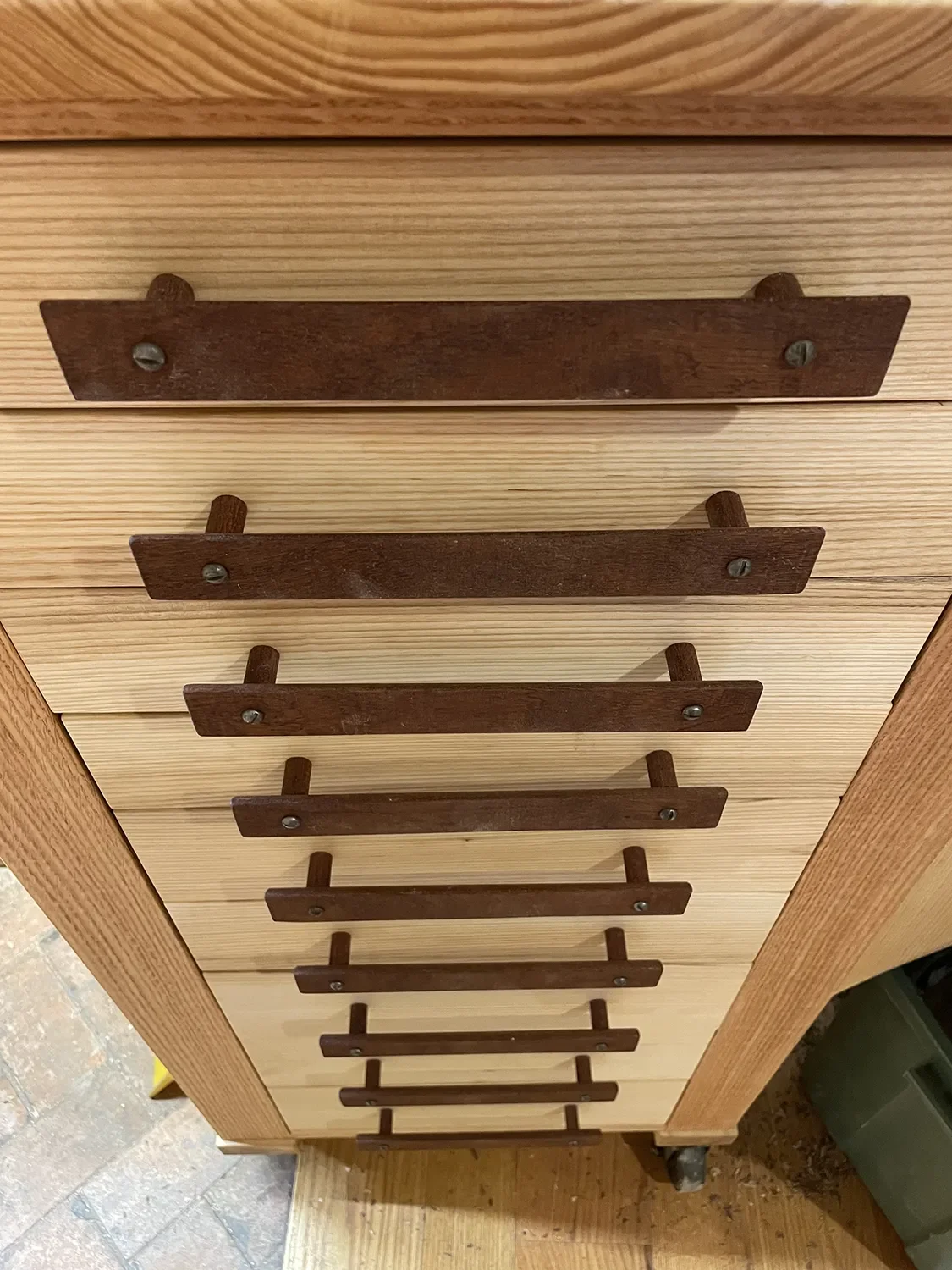
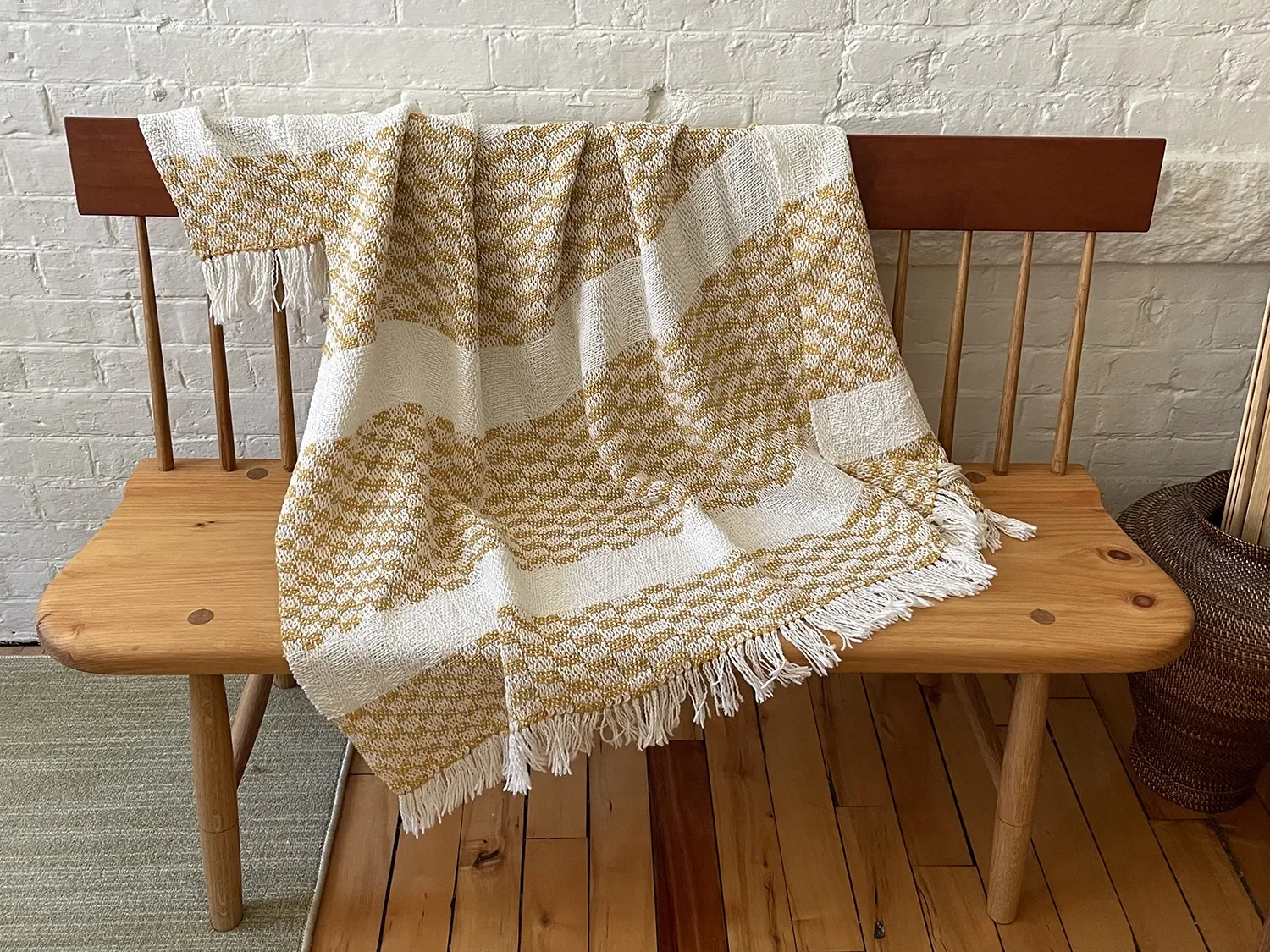
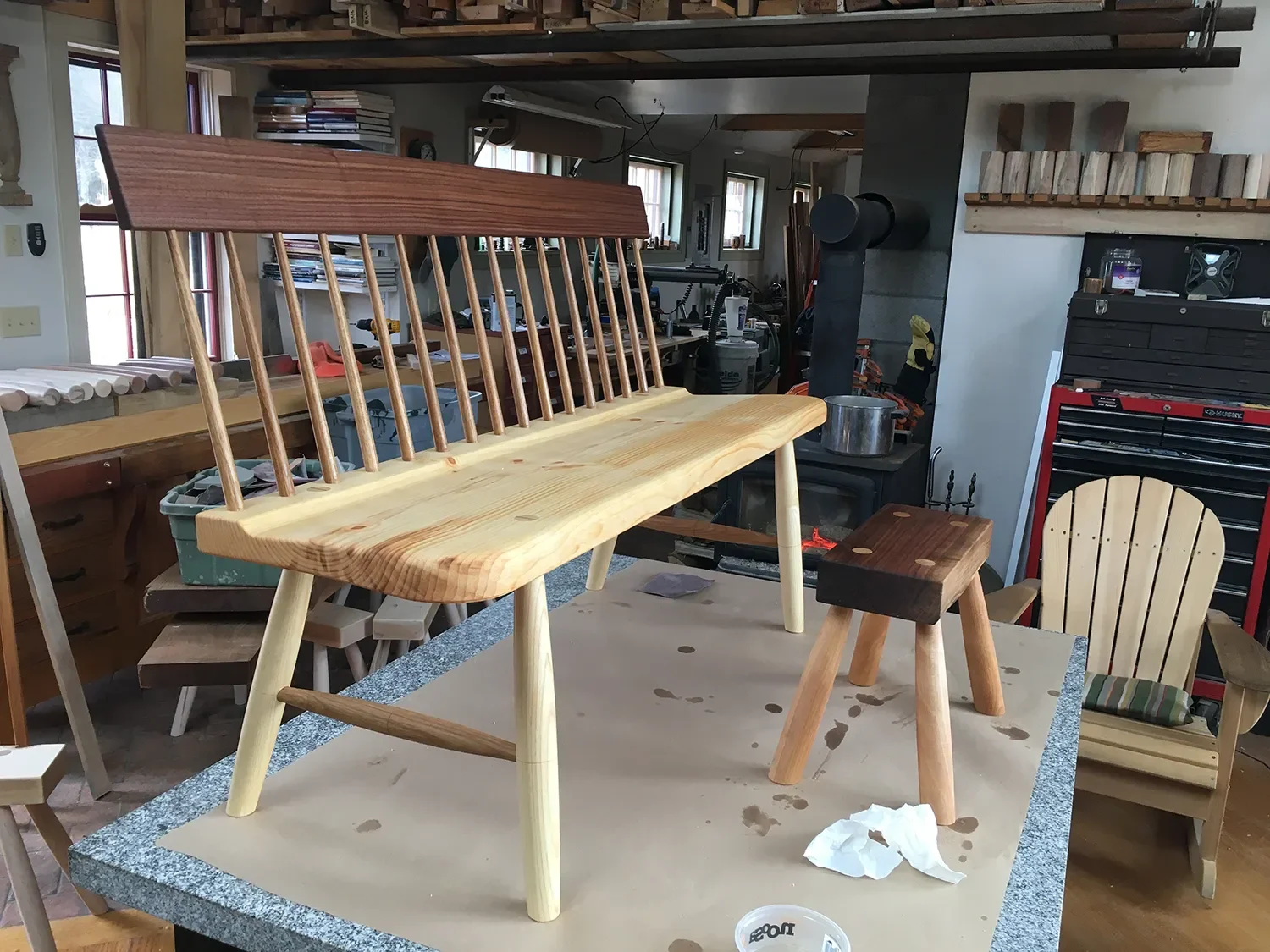
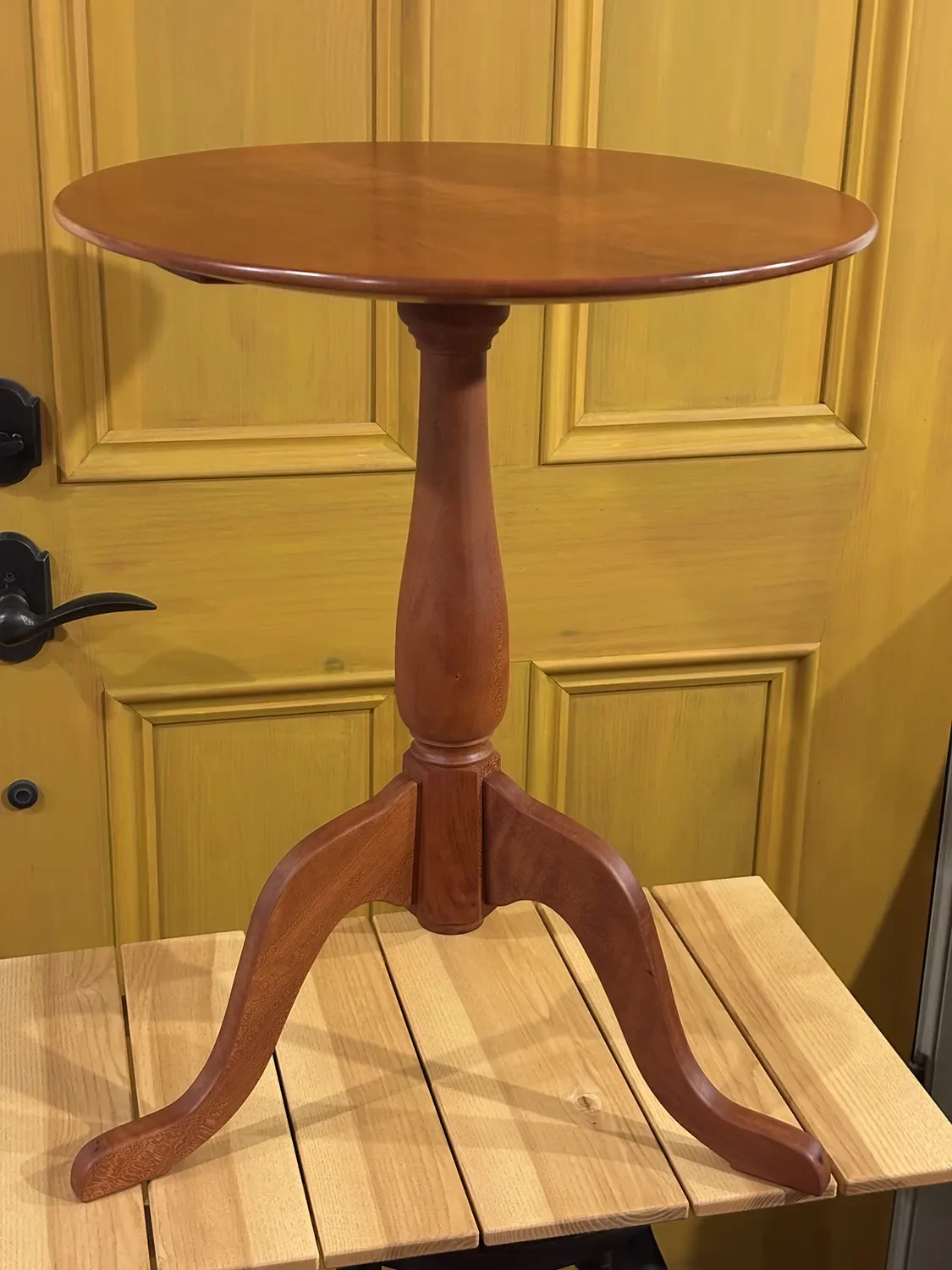
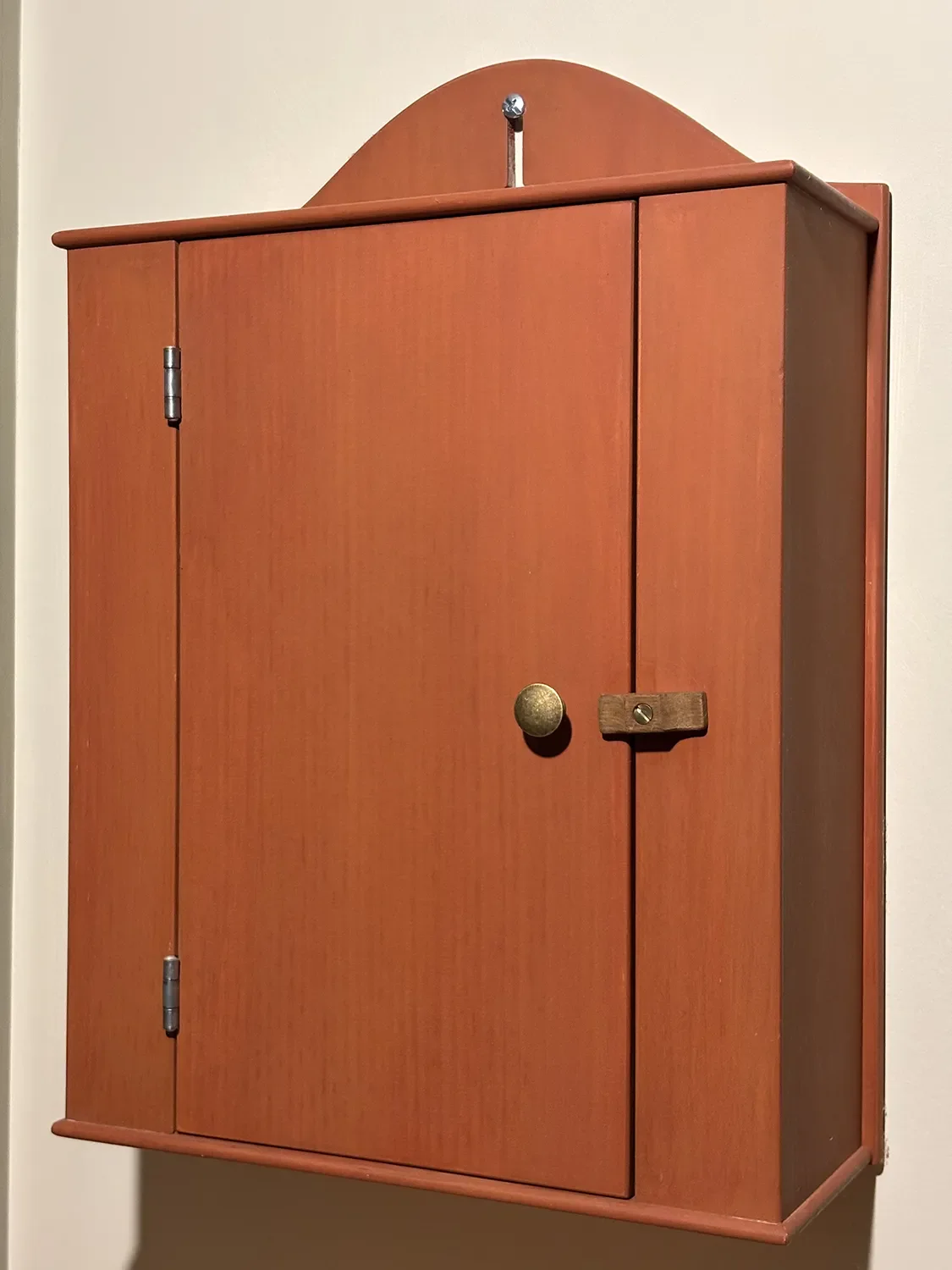

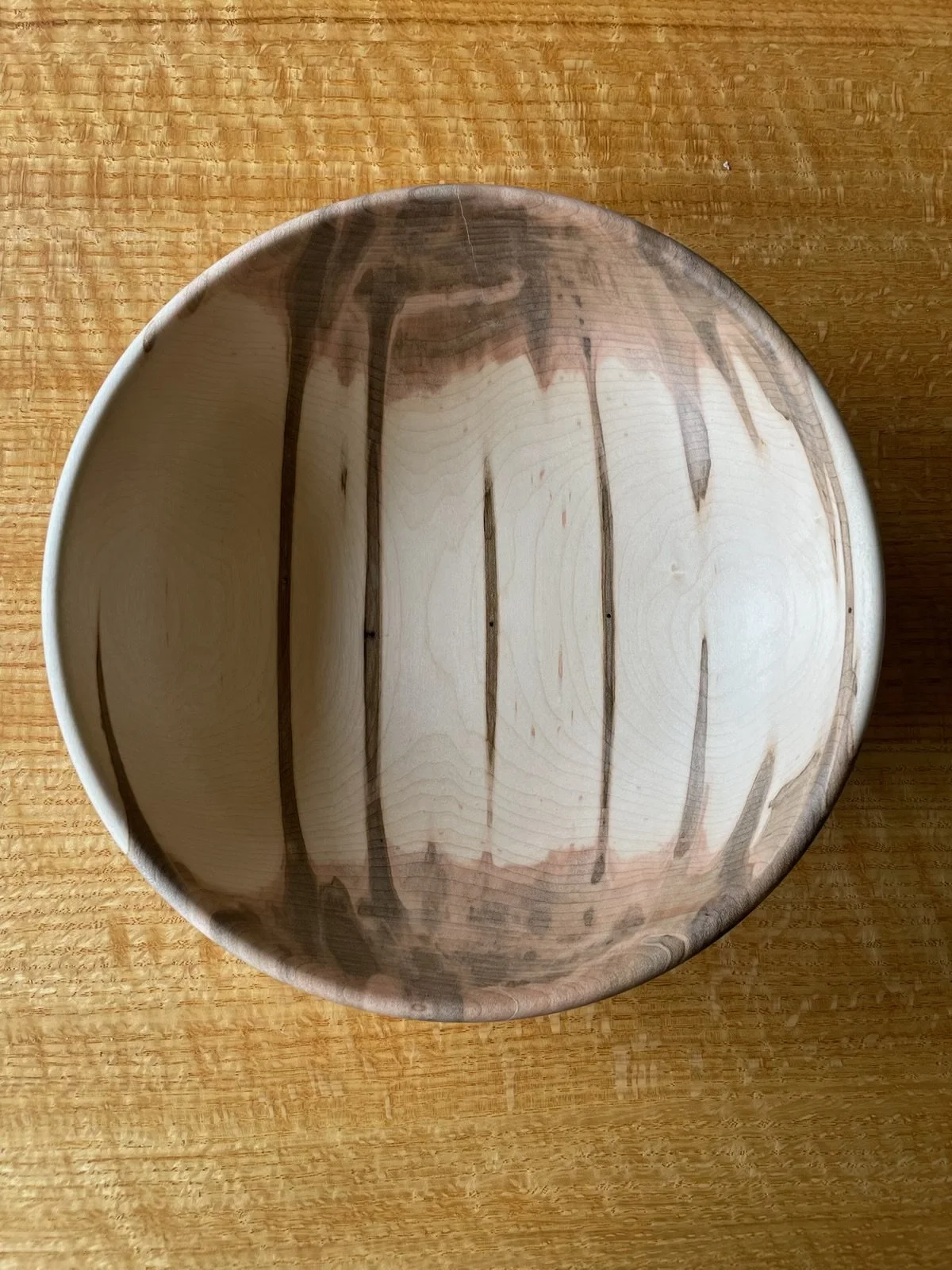
WAYNE is a self-taught woodworker who has been making sawdust in myriad forms for over fifty years. He designed and built his workshop to complement the 18th century house and barn that he restored using his own lumber milled from trees he felled locally, just as the early settlers did. Set high on a hill dubbed Hidden Hill by prior owners, the natural light and climate is conducive to all aspects of working with wood. His understanding of wood extends from selecting a tree for harvesting to shaping and finishing the lumber into a finished piece, using traditional methods of joinery and lathe-turned components. Wayne stamps his pieces “Hidden Hill Woodworking - Sharon, NH”.

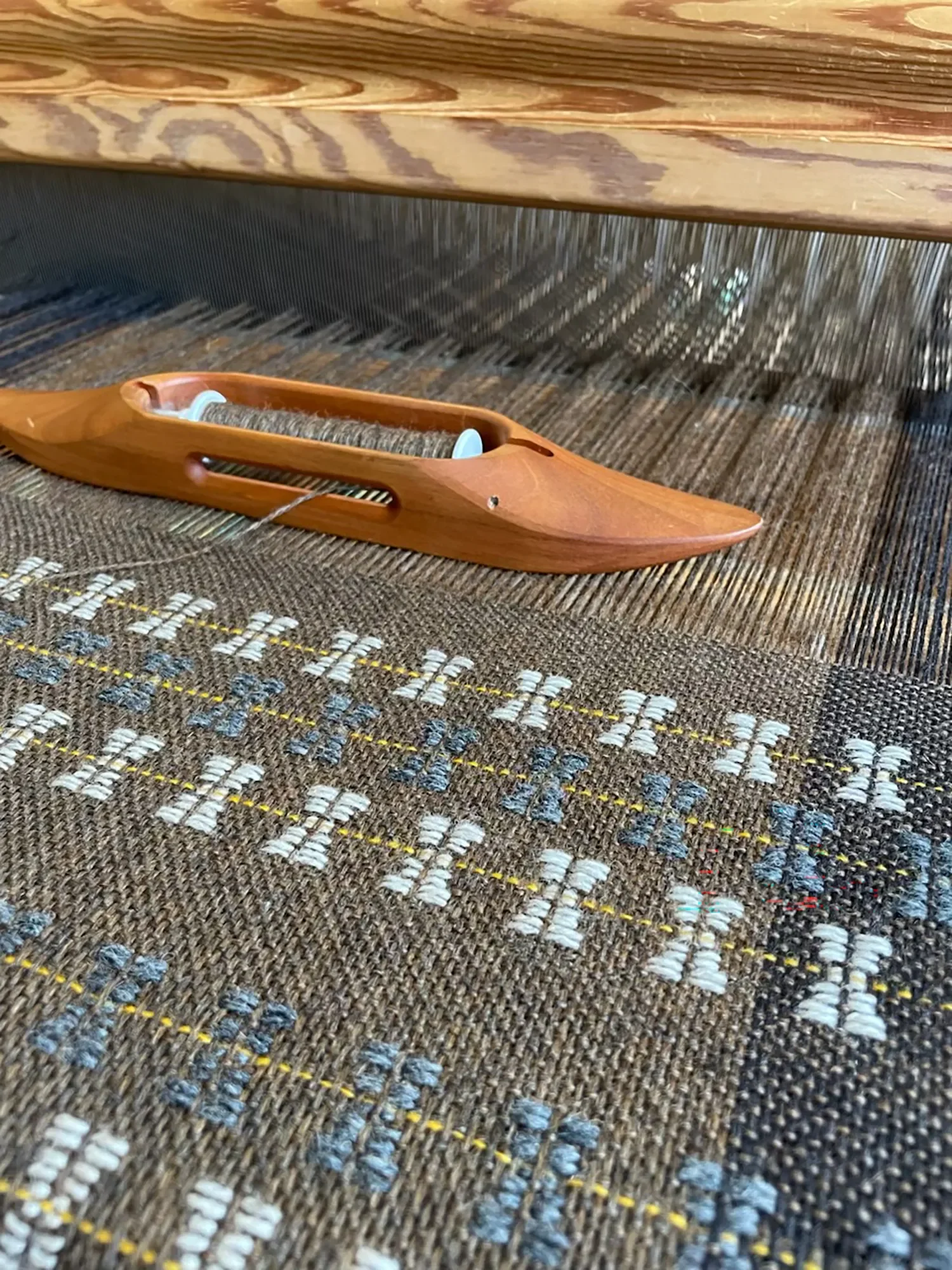
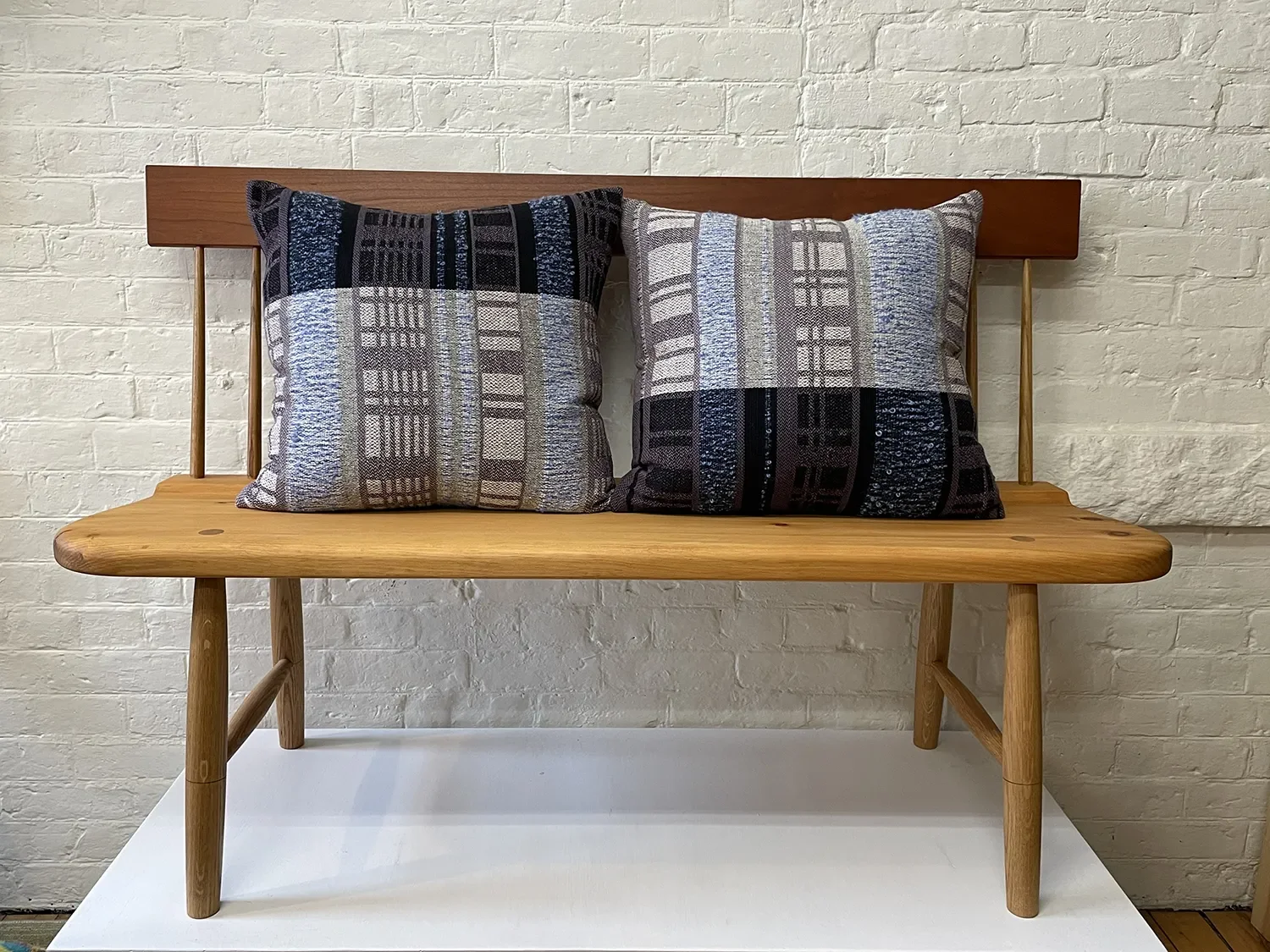
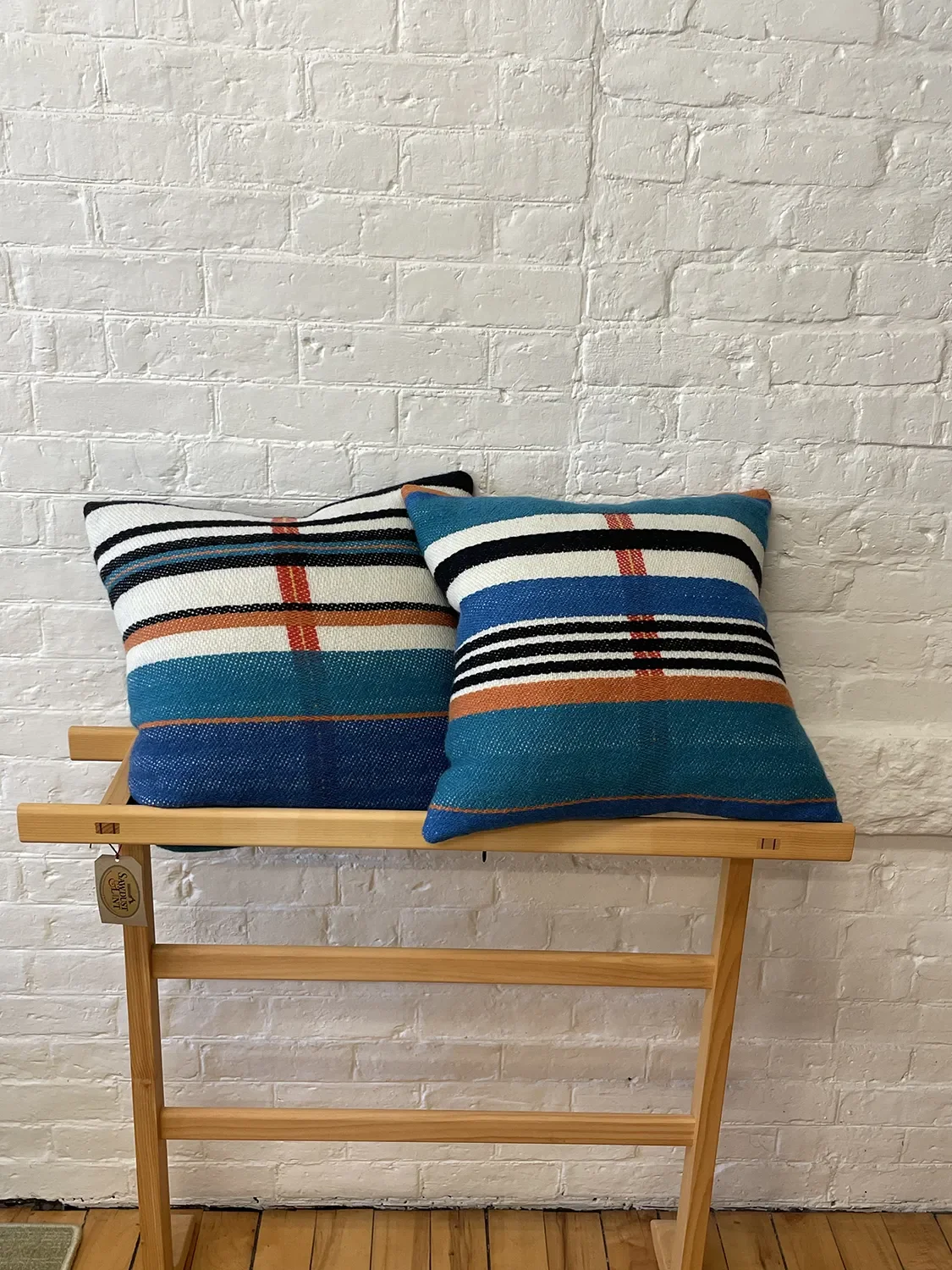
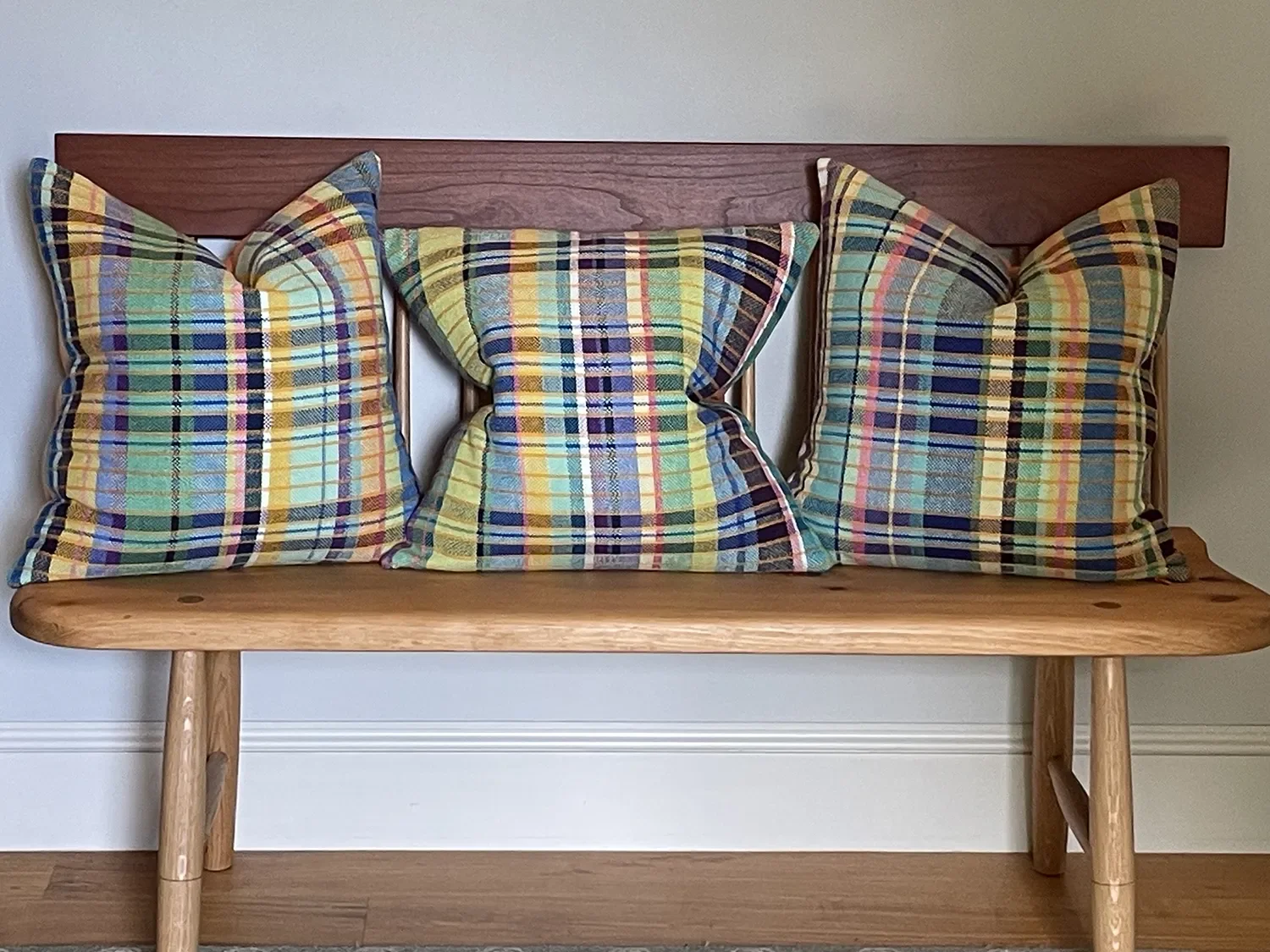
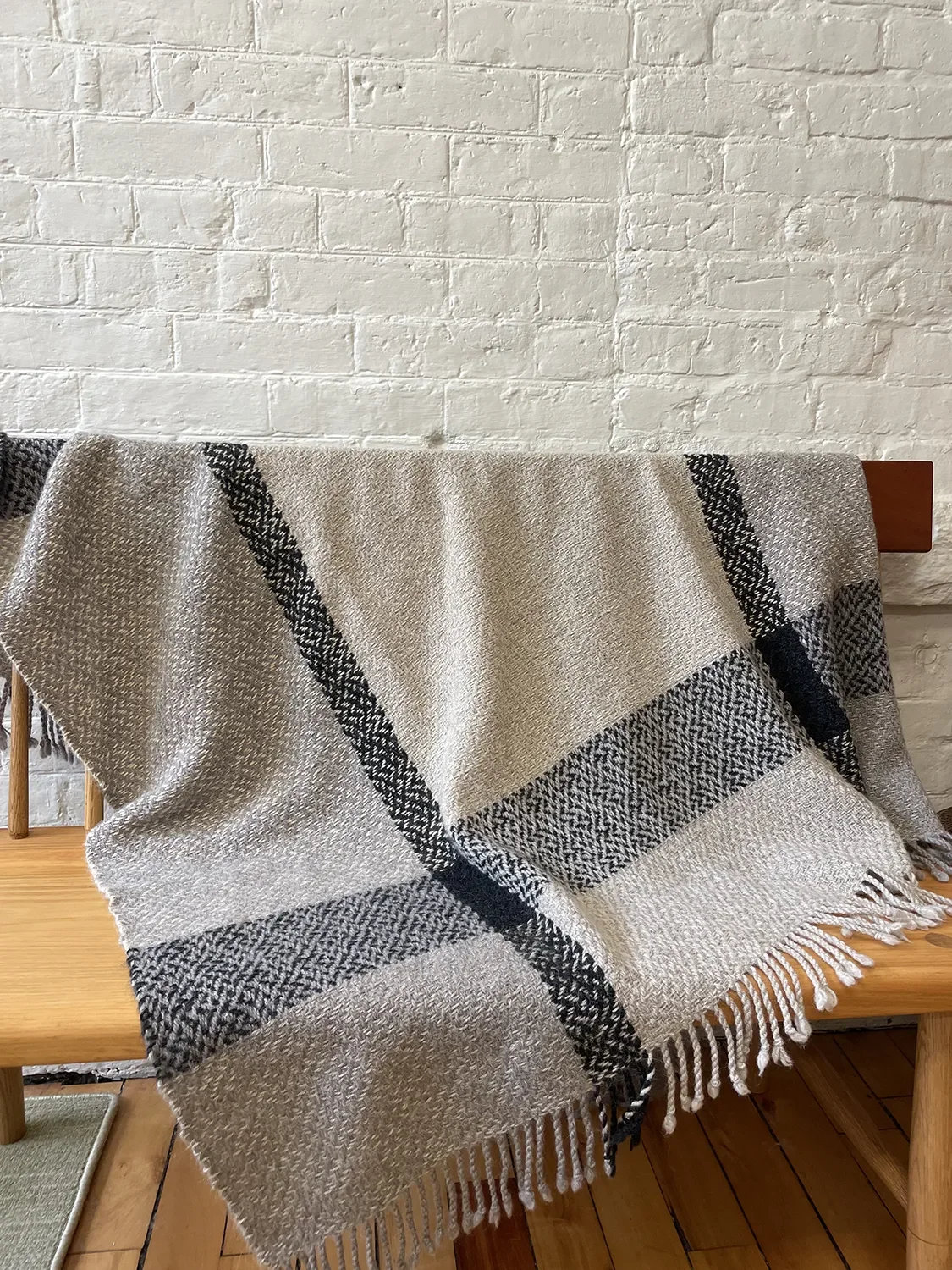
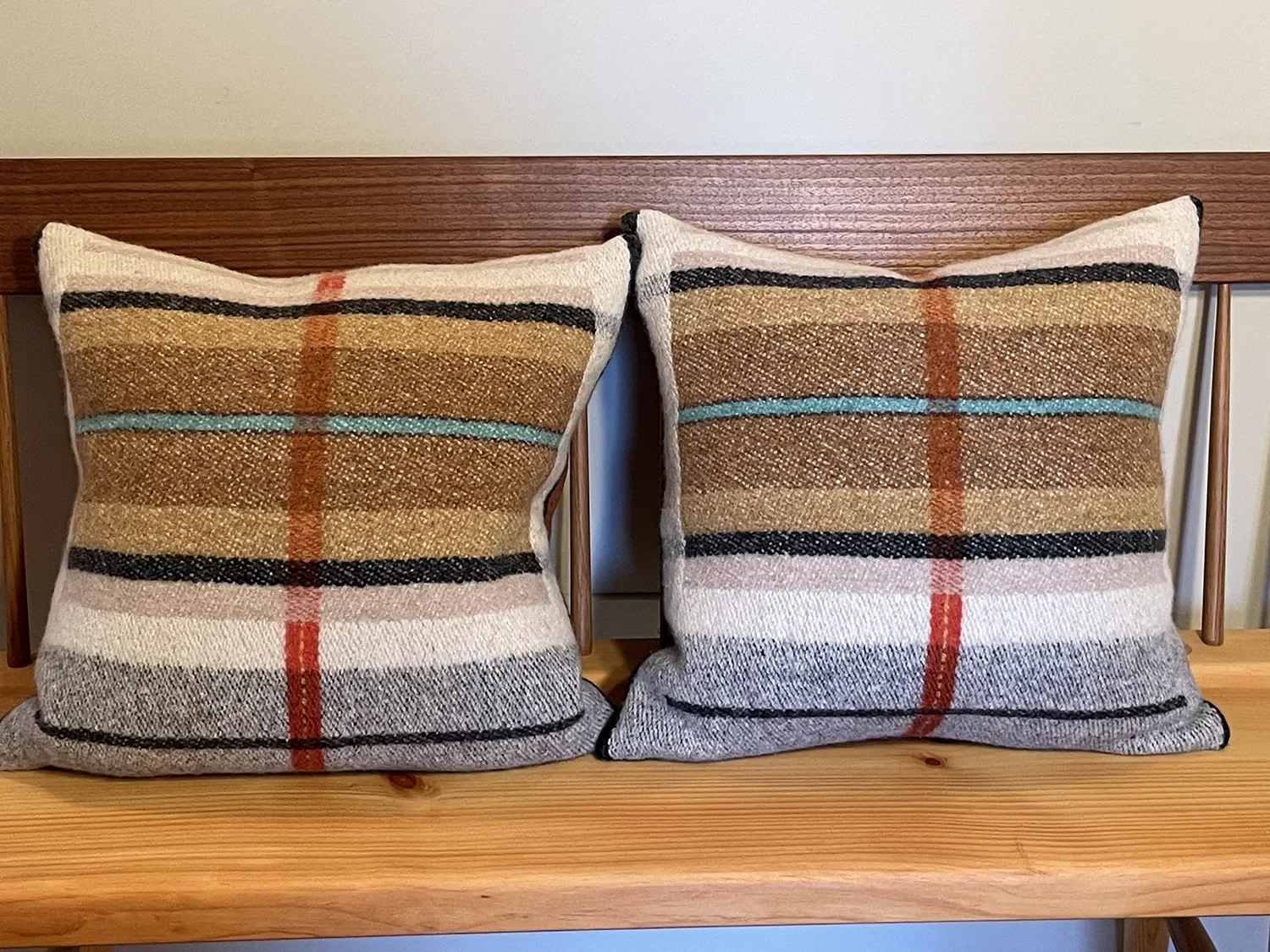
TORY is also largely self-taught in her craft and particularly focuses on experimentation with color and texture - both visual and tactile - working exclusively with natural fibers. She was drawn to the fiber arts after retiring from environmental work, preceded by undergraduate and graduate degrees in art, art history, and landscape architecture. Her studio in one of the historic woolen mills in Harrisville, NH accommodates her largest loom and offers the luxury of natural light streaming through a wall of windows, enabling her to better see gradations of color and fiber reflectivity.