Materials
It’s all about fiber and grain
Whether wood or wool, it begins with choice of materials. We work with natural materials that we have carefully selected for their innate and unique characteristics. Distinctive products, whether furniture, handwovens, a fine wine, or a croissant, begin with using ingredients with particular attributes: lumber that was originally milled to rough dimensions from specific areas of a log, the type of fiber or blend of fibers in a yarn, whether a loose twist, tight twist, single ply, or hand-dyed, the grapes picked at their ideal stage of ripeness (once crushed, sometimes aged for decades), the freshest herbs, the finest butter and stone flour milled in small batches. Choice of ingredients is just the first step of creating items whose overall characteristics are not only distinctive but also possess durability for everyday use. We work with fiber and grain, not against it.

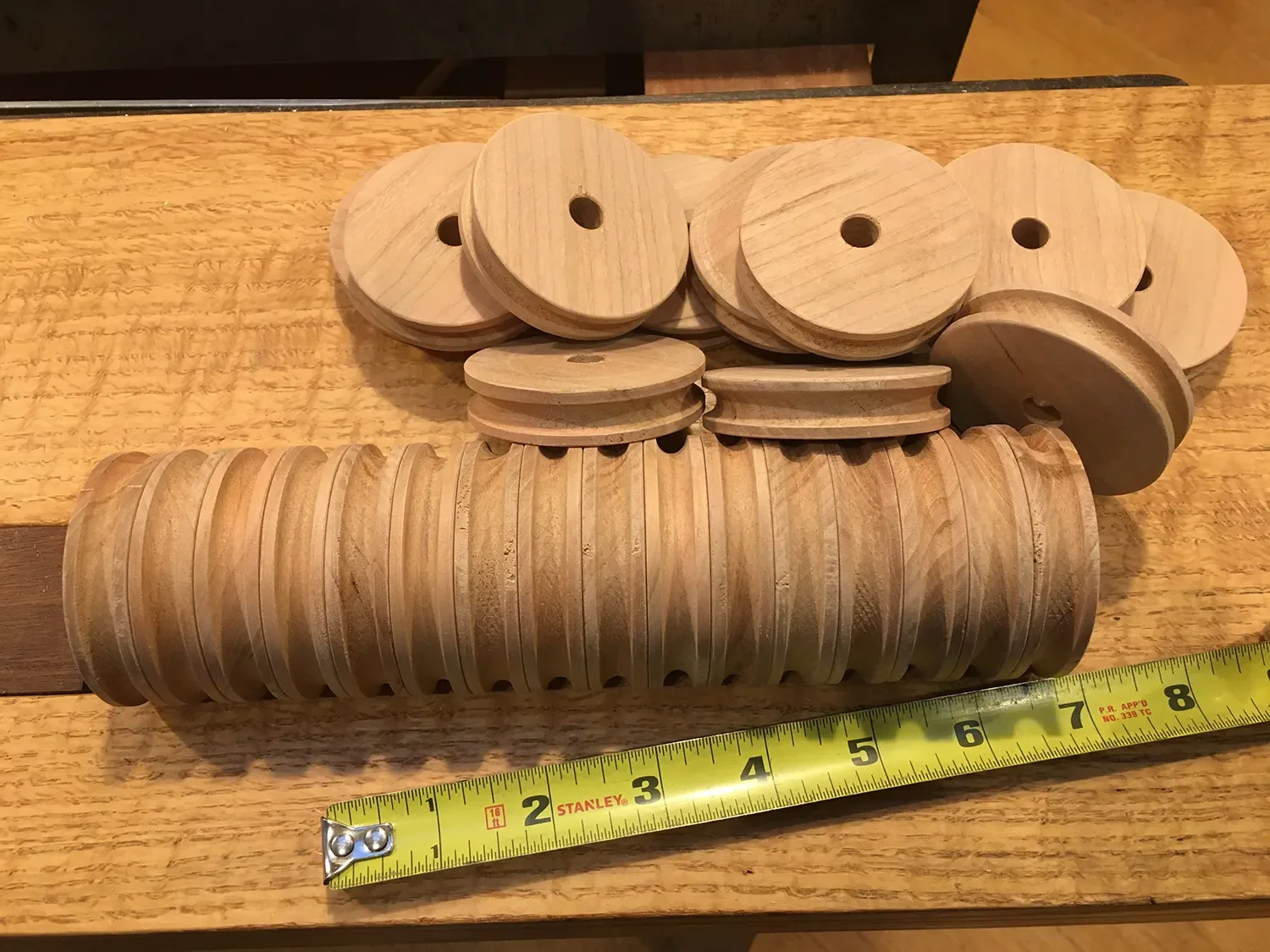
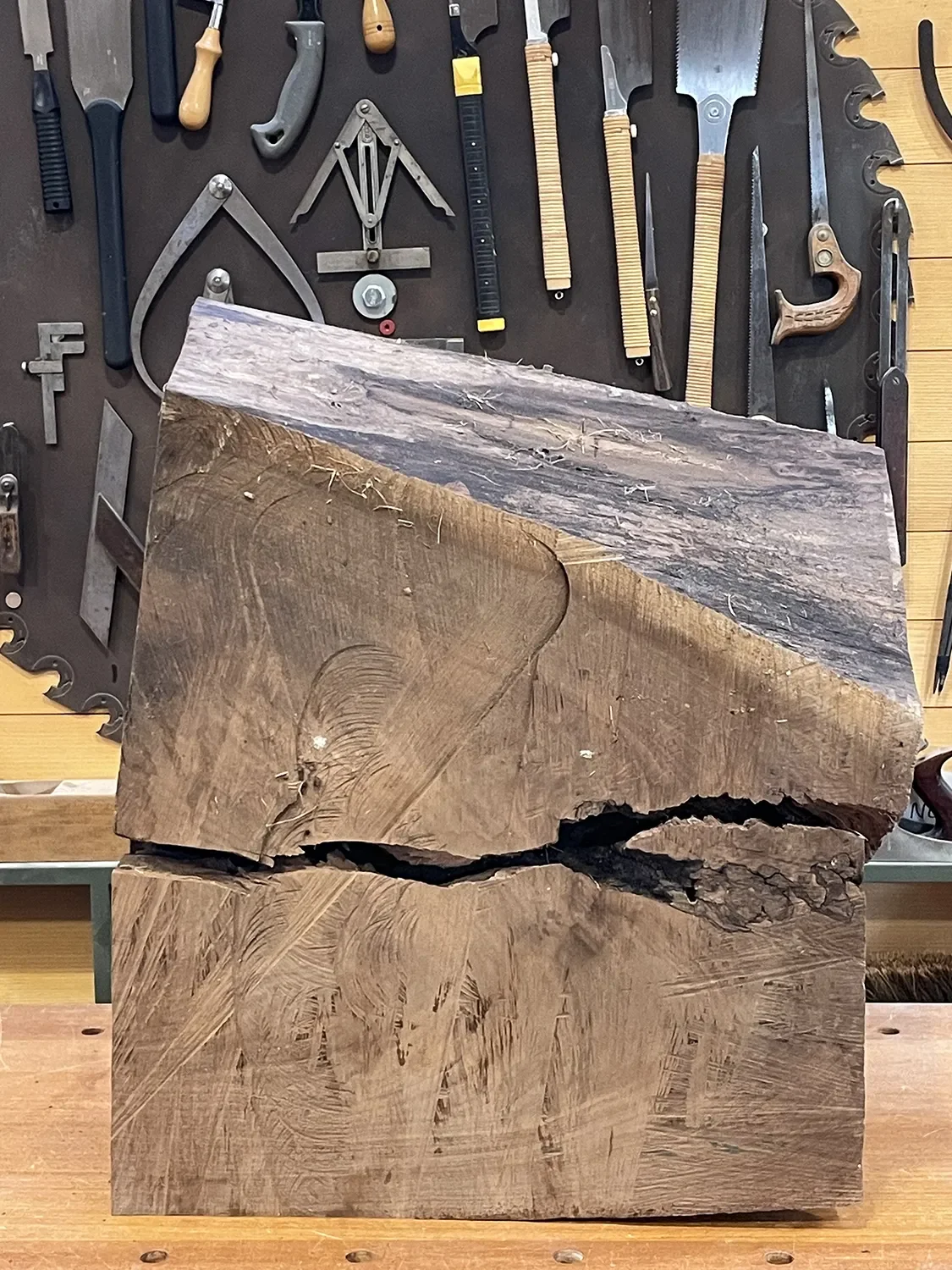
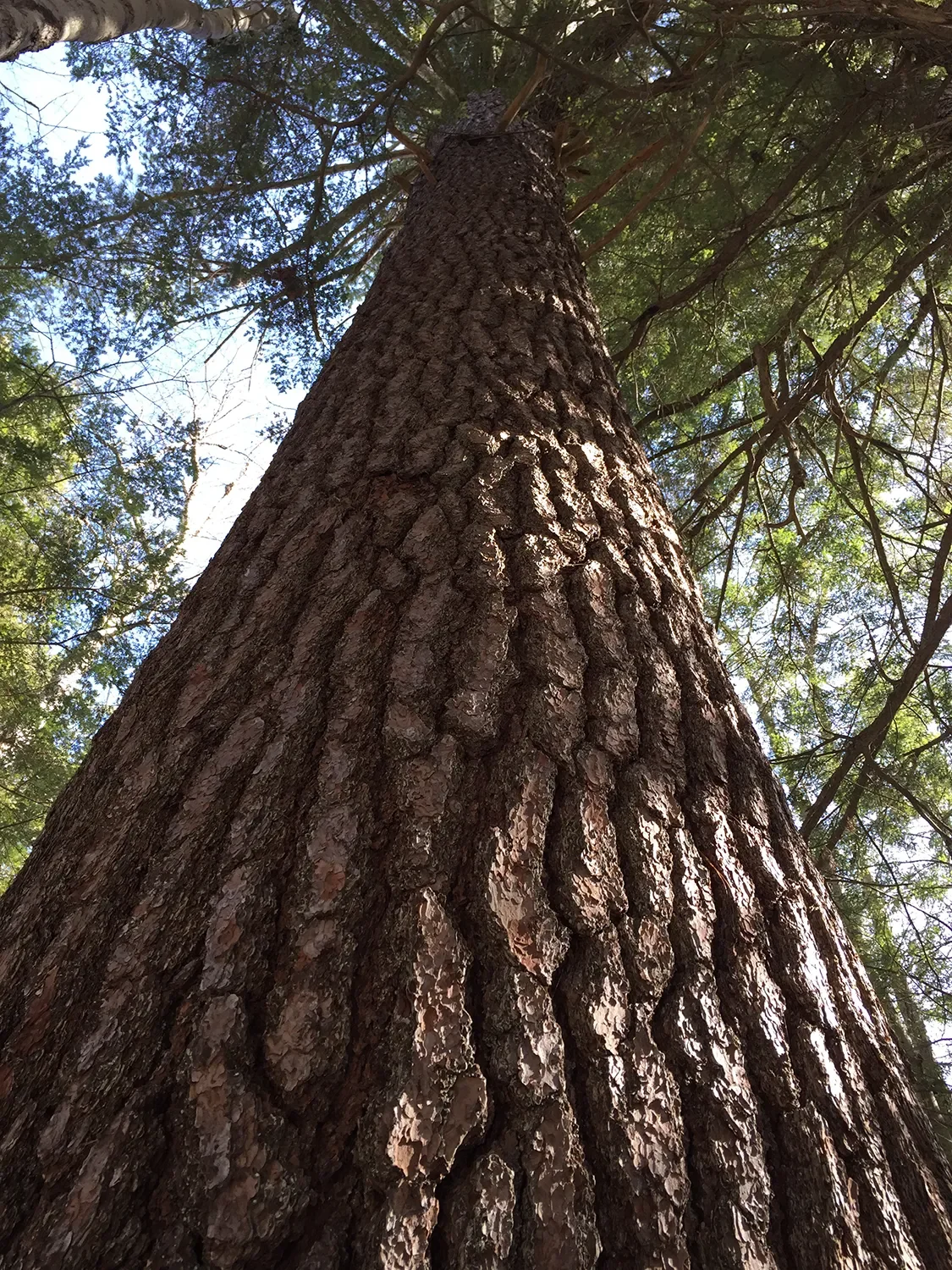
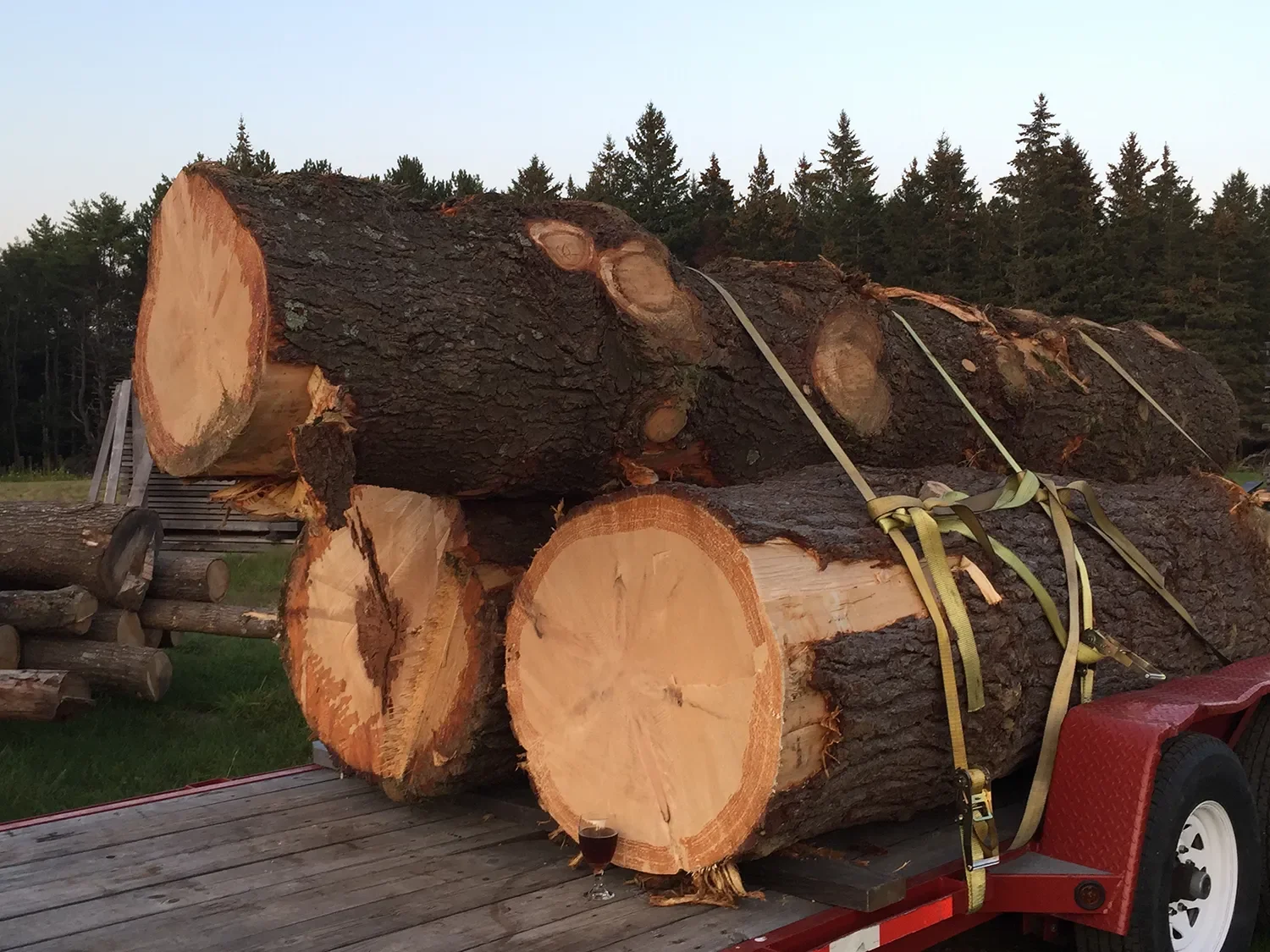
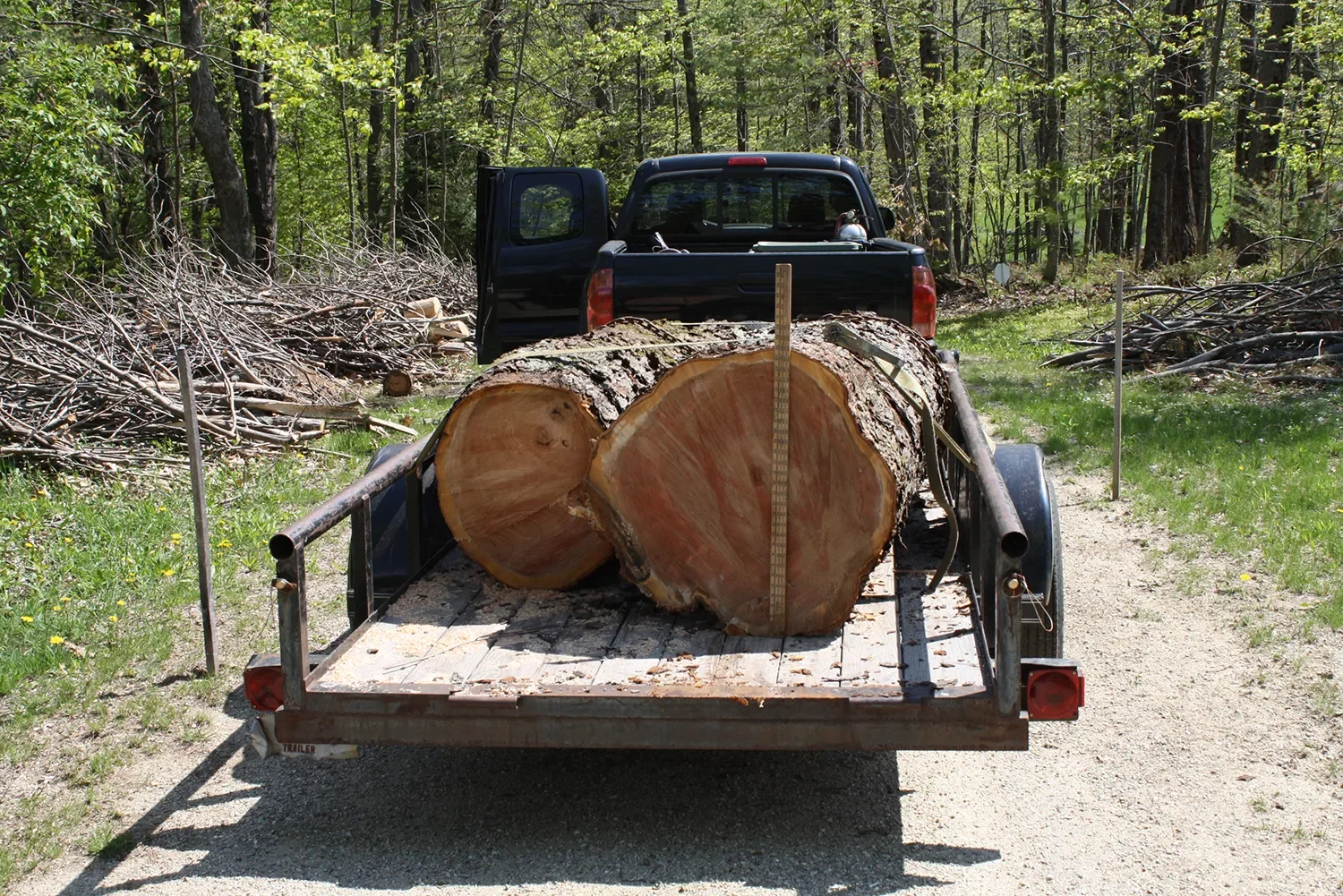
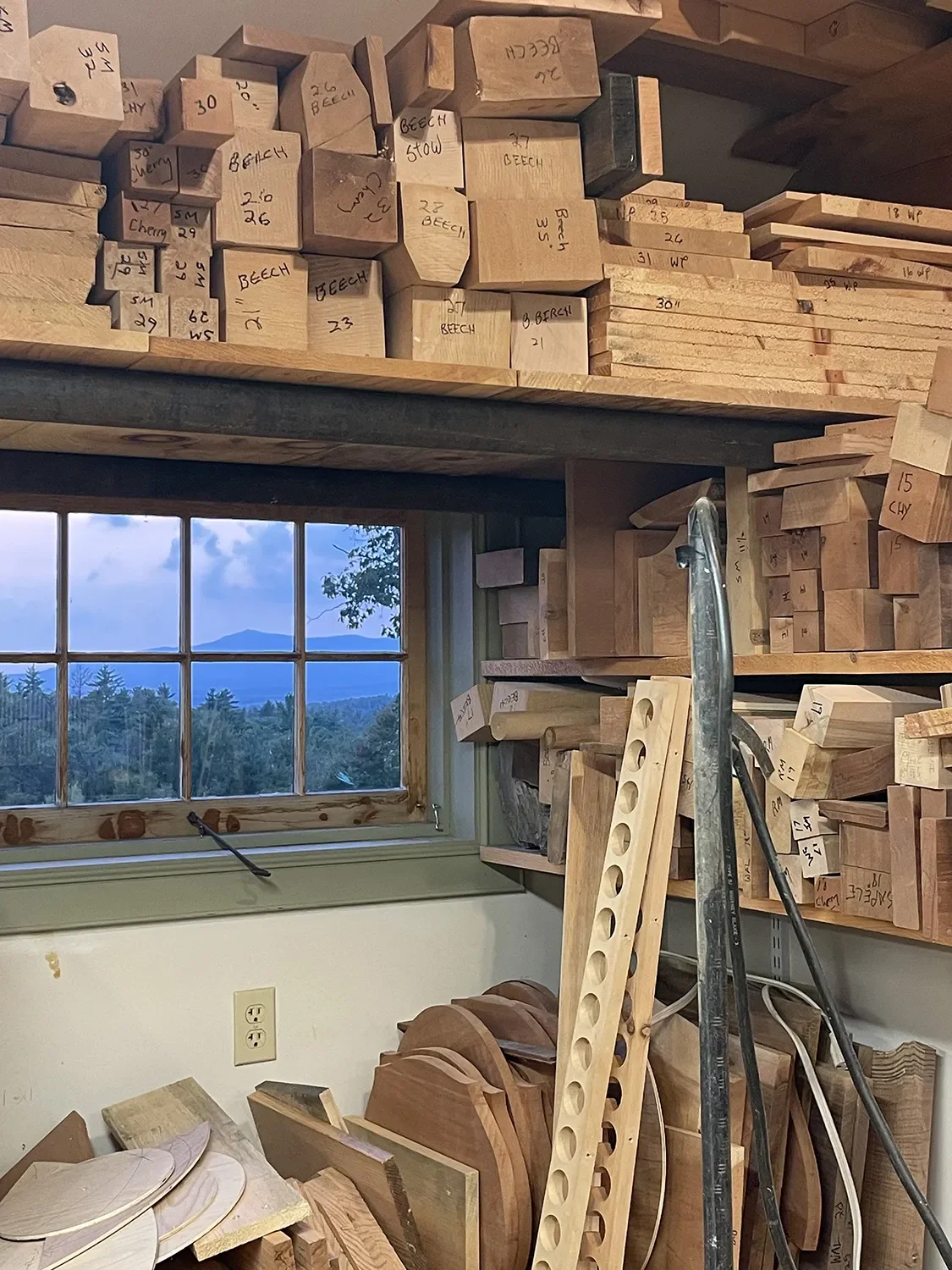
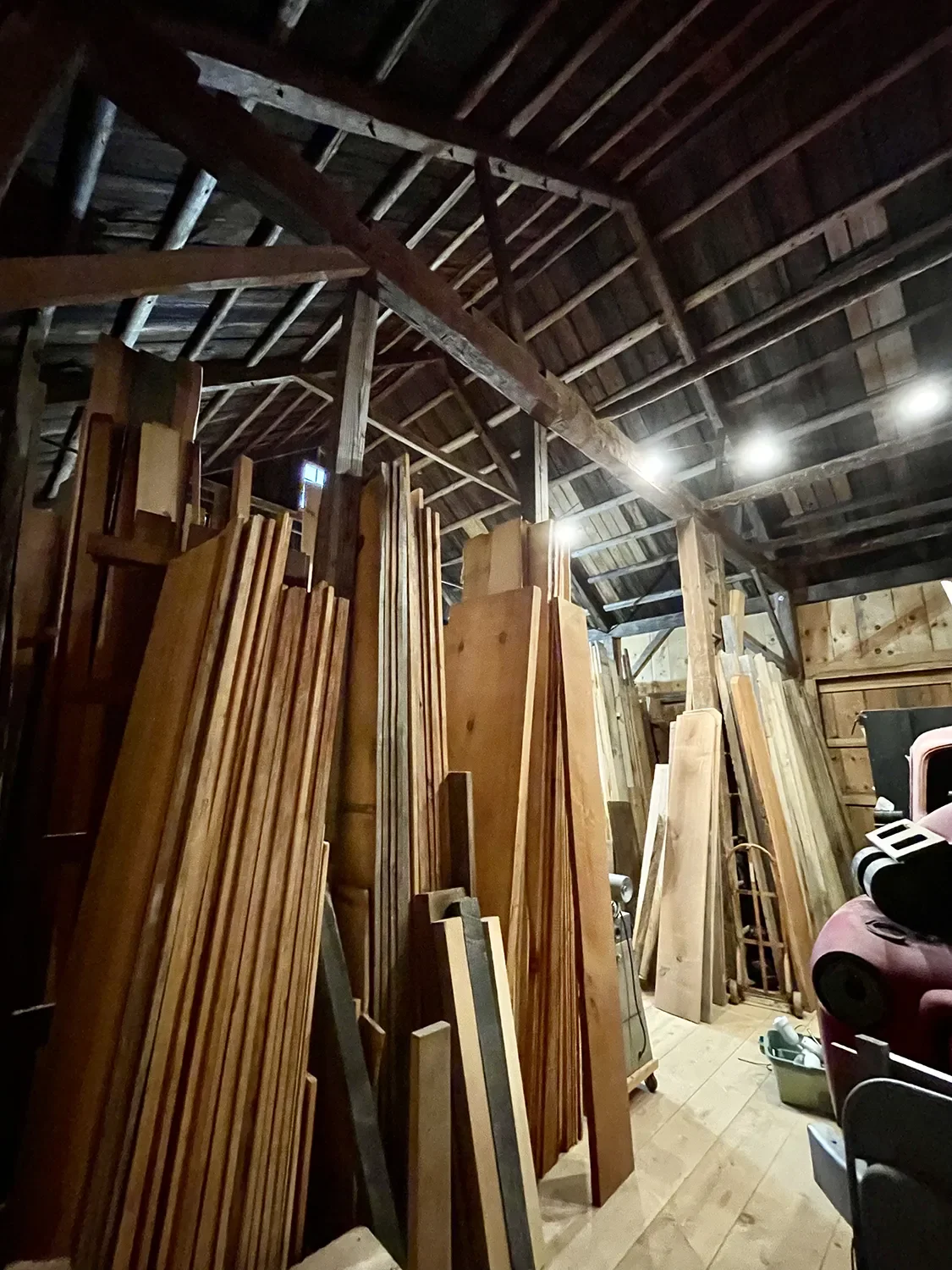
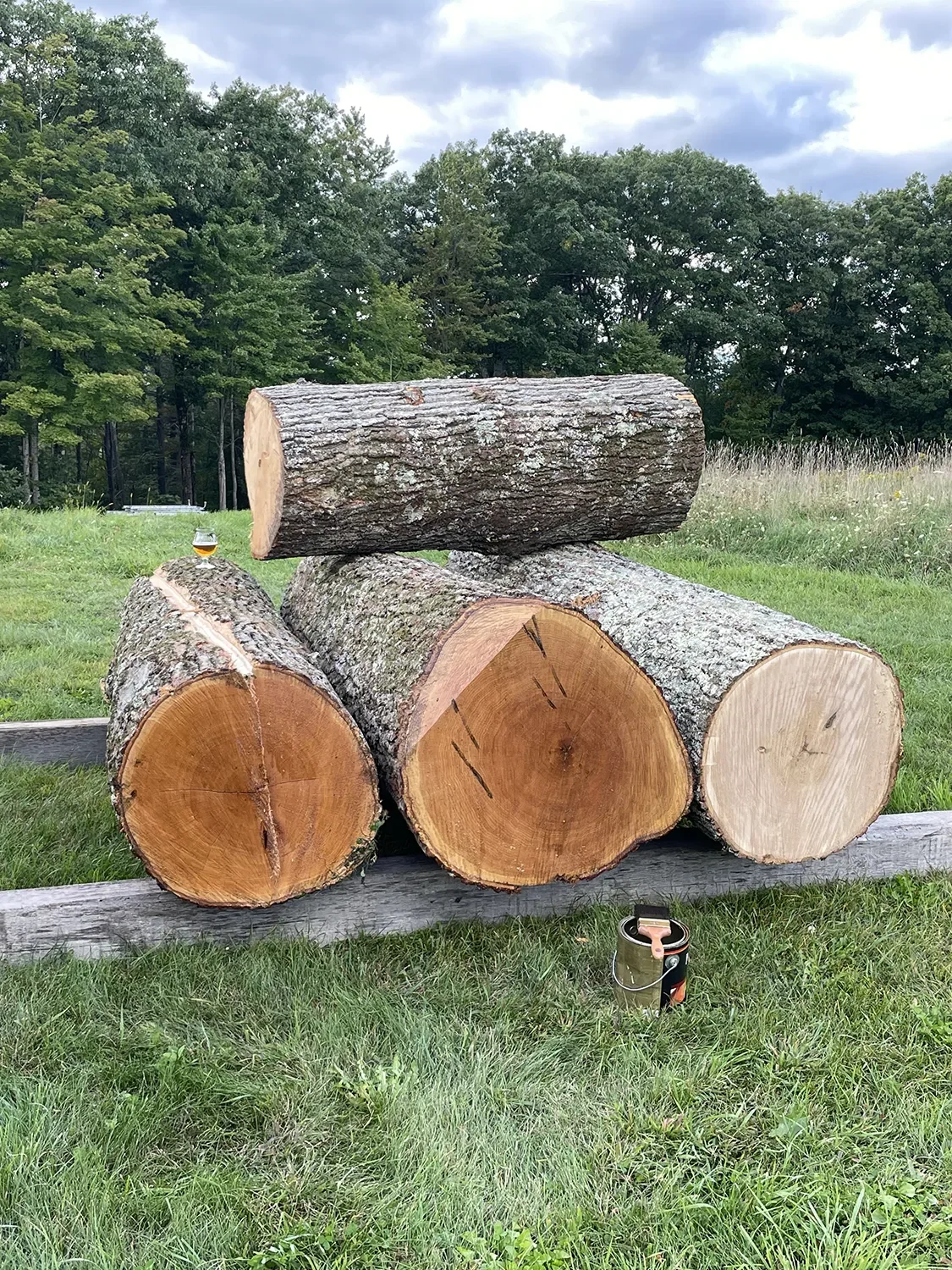
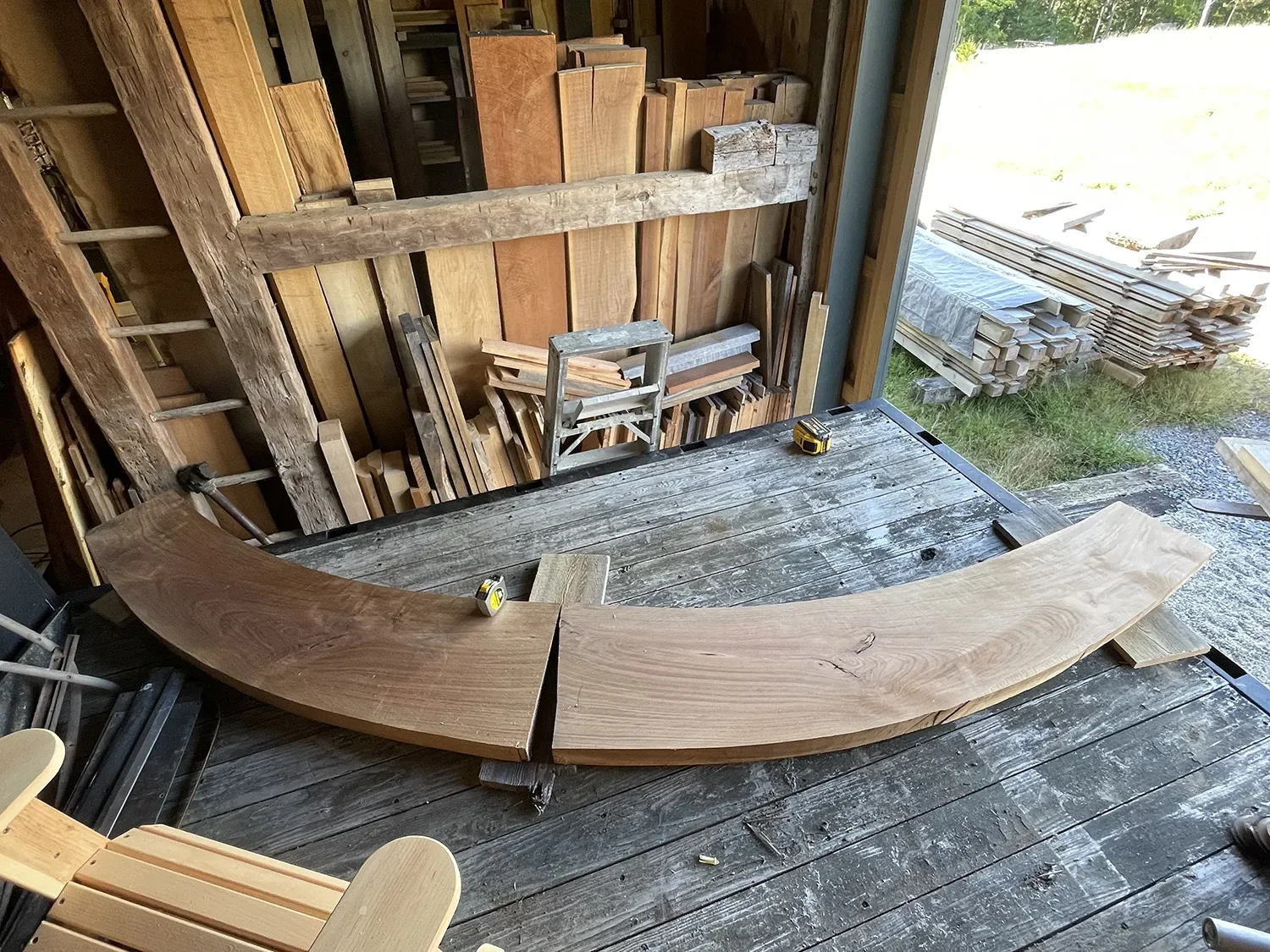
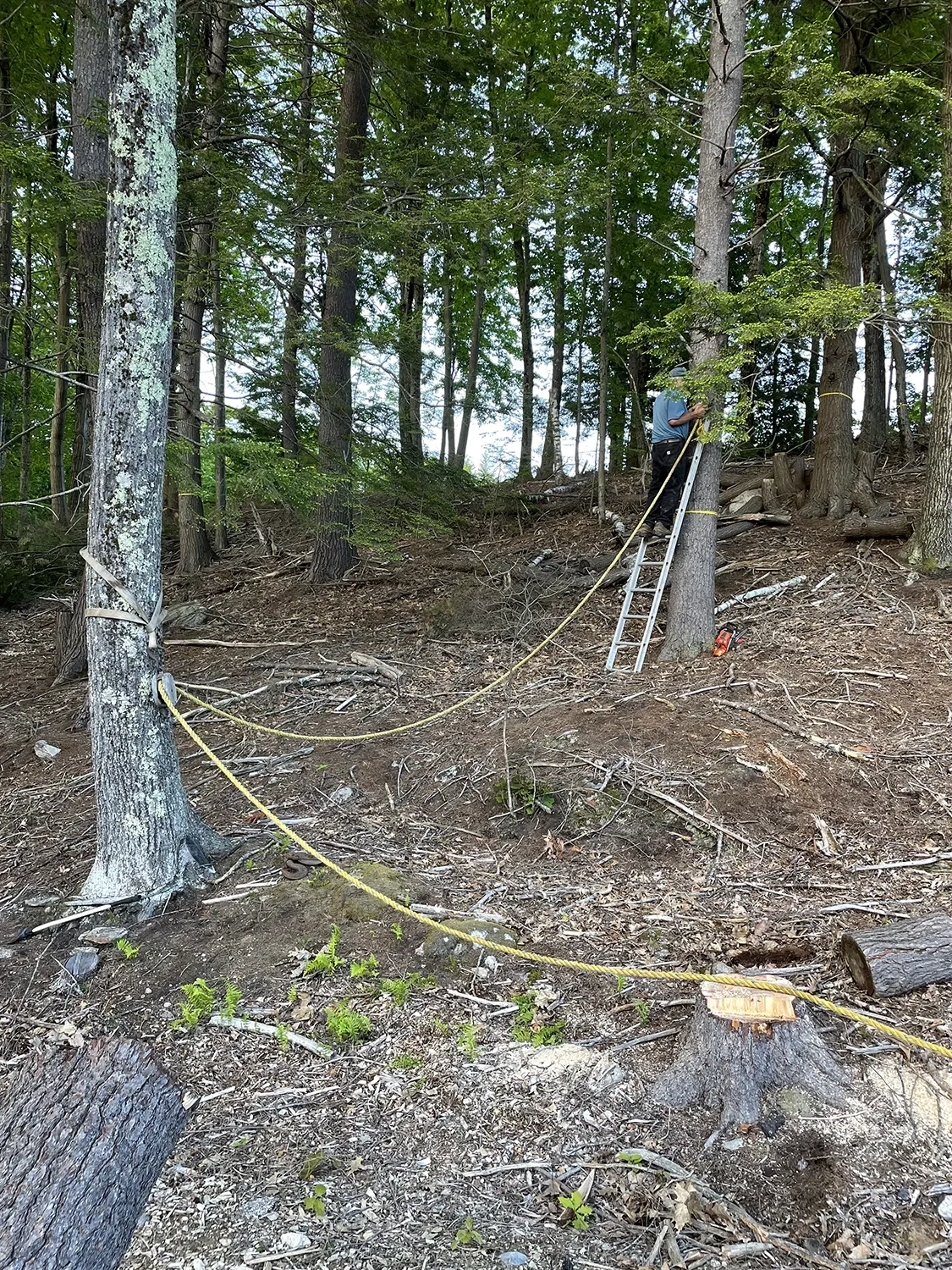
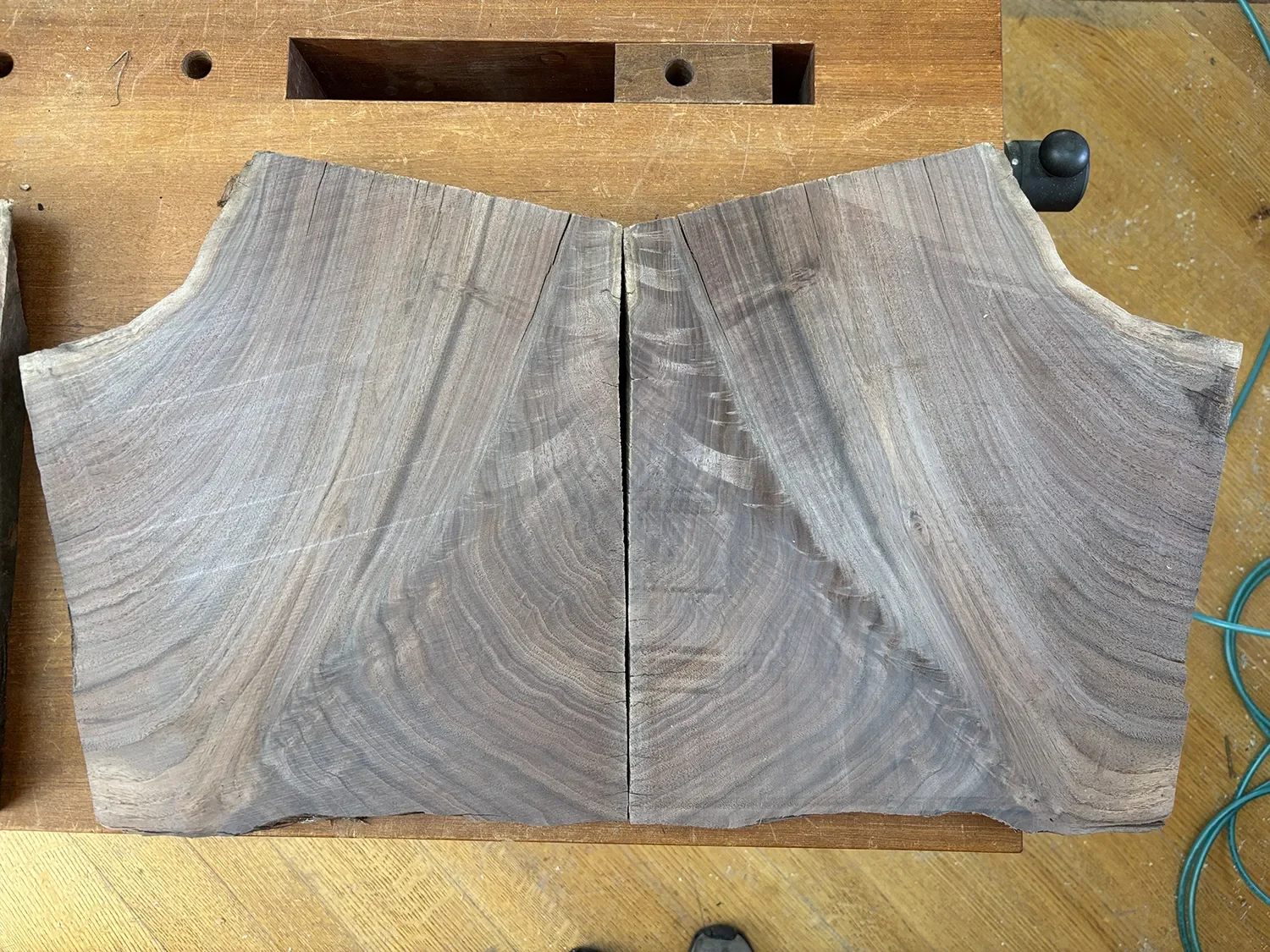
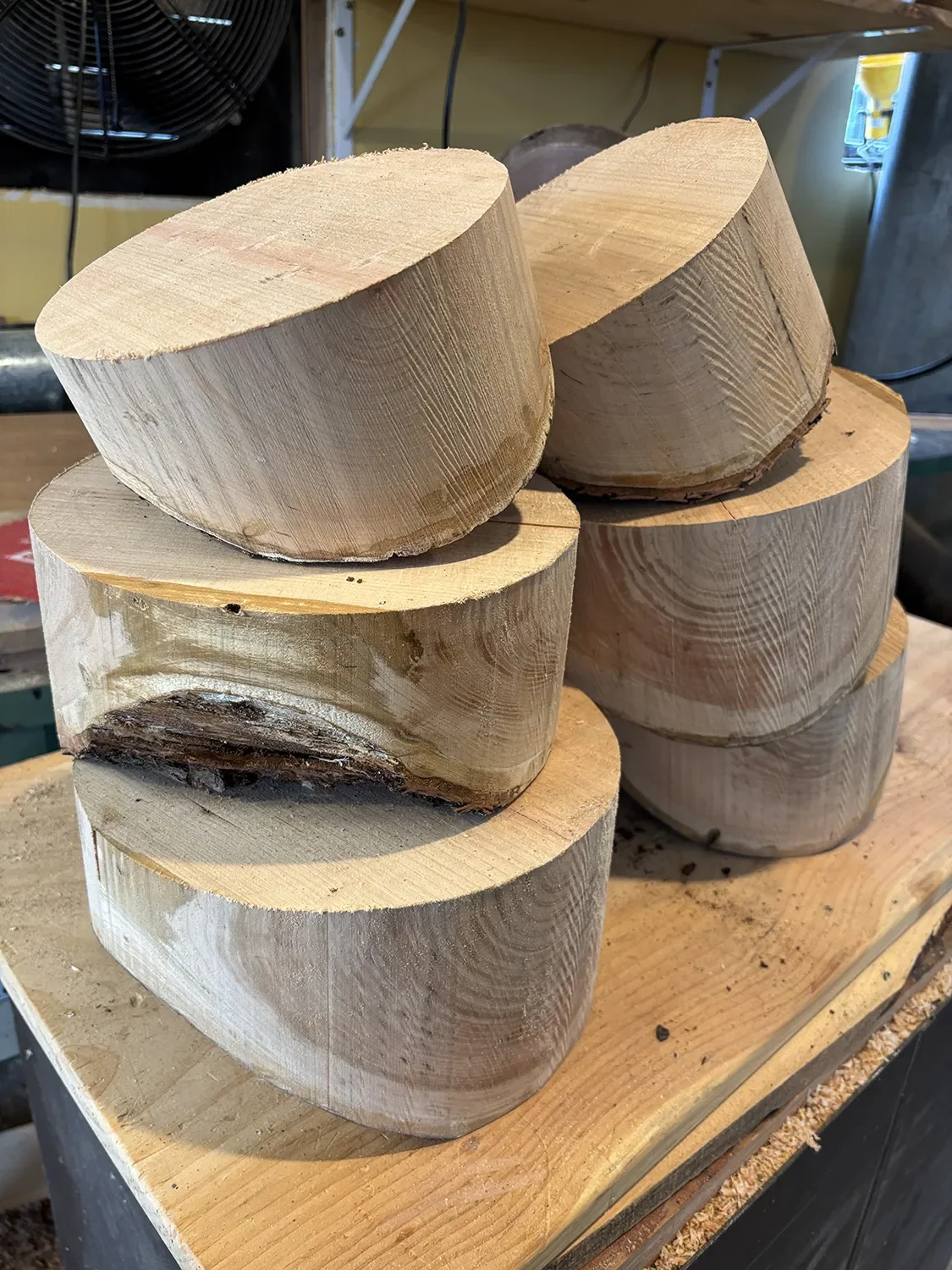
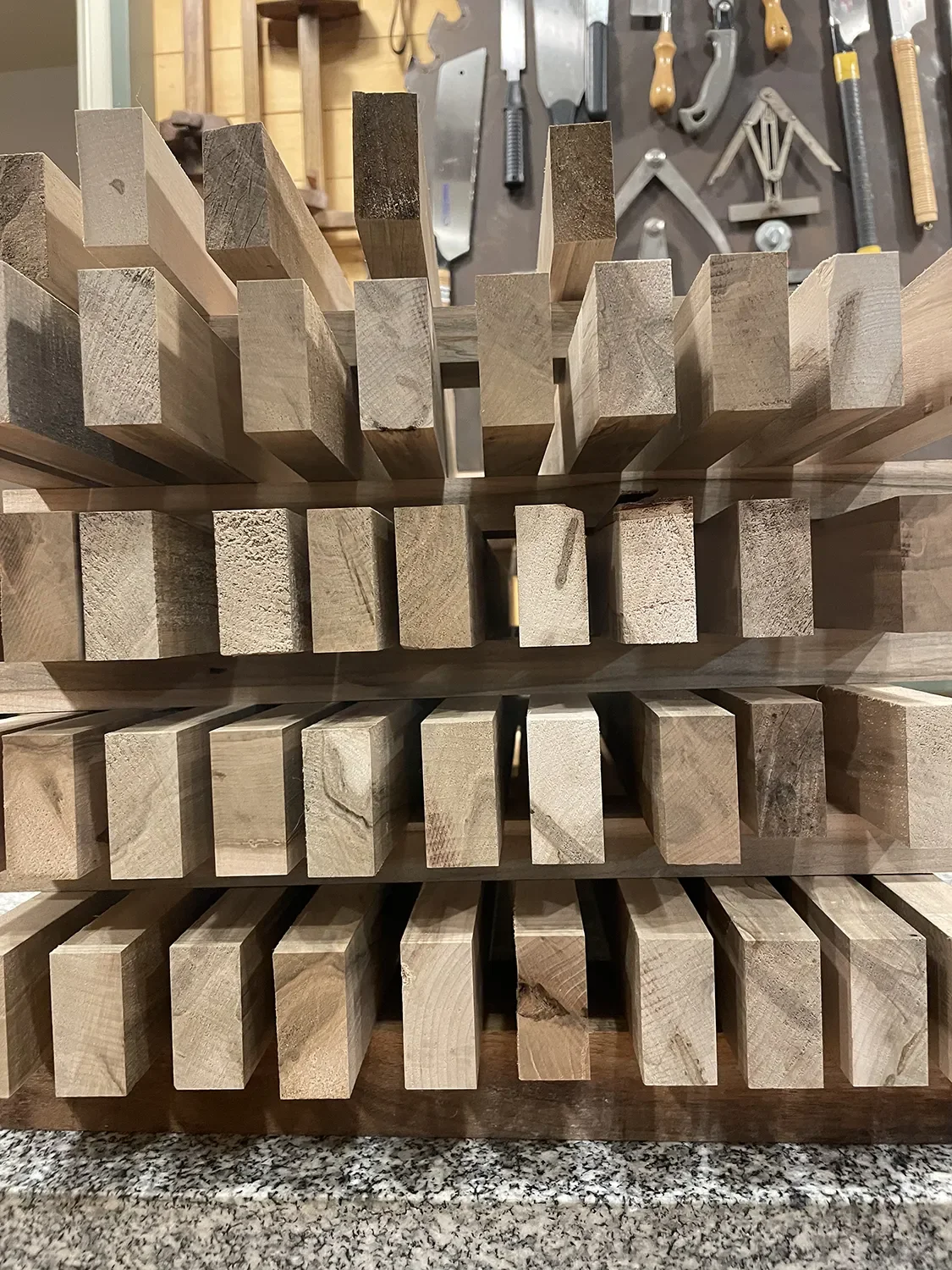
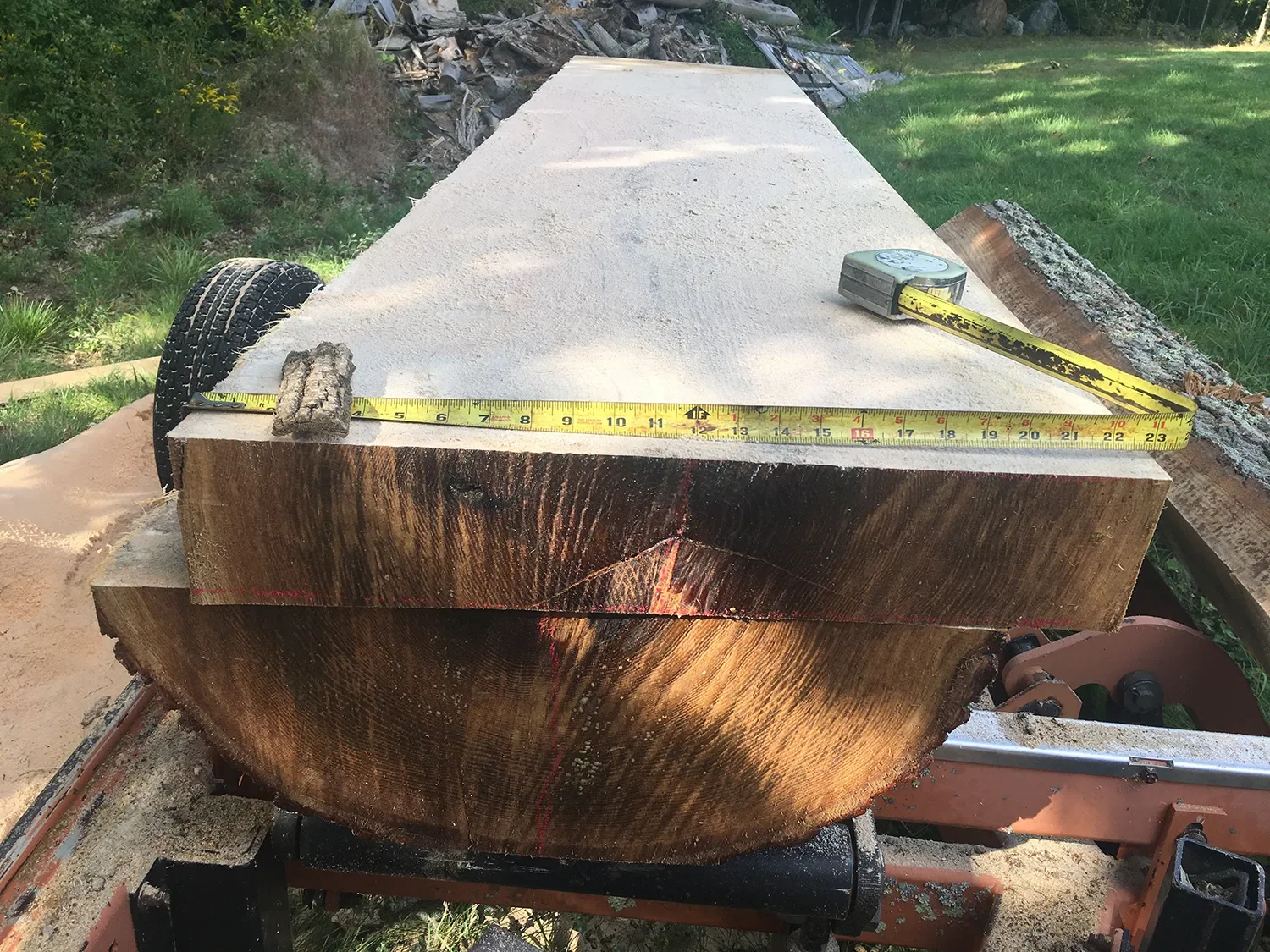
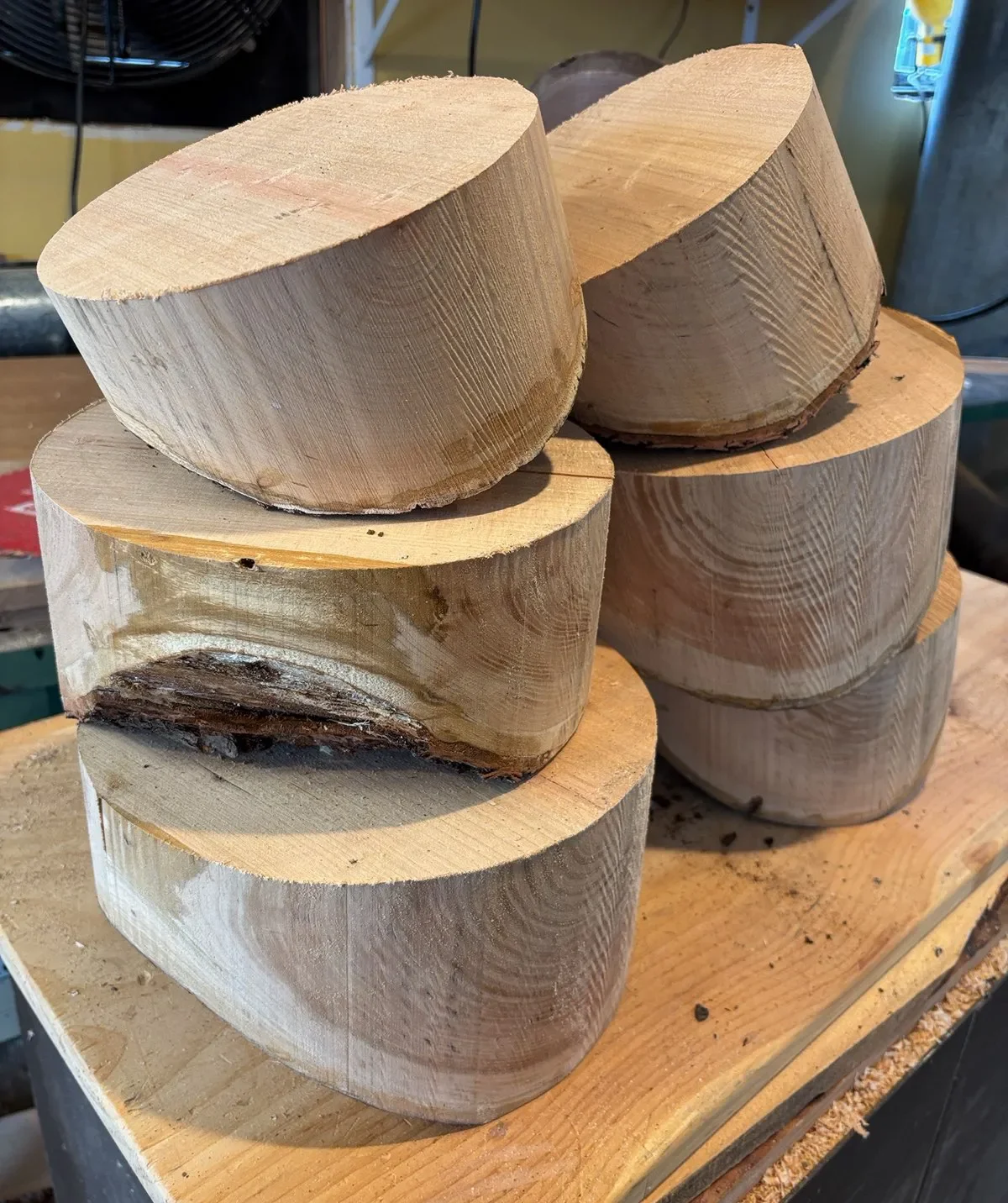
WAYNE selects and cuts trees himself and mills his own lumber. He has been accumulating and carefully storing his best lumber since the 1980s. The vast majority of the furniture and wooden wares he makes are from trees that grew within 50 miles of Peterborough, NH, although he has occasionally made pieces from wood given to him by clients that holds special meaning, such as lumber from a family property, or other special place such as the Boston Esplanade. Wayne only uses air-dried lumber, a slow and tedious methodology, which allows wood to retain deeper color and have greater stability than commercial lumber, the growing conditions of which are unknown or artificially accelerated (“plantation grown”), and which is typically kiln-dried. Kiln-drying sometimes leads to unpredictable warping or twisting years after a piece has been constructed. But perhaps most importantly, kiln drying dilutes the natural color of wood.

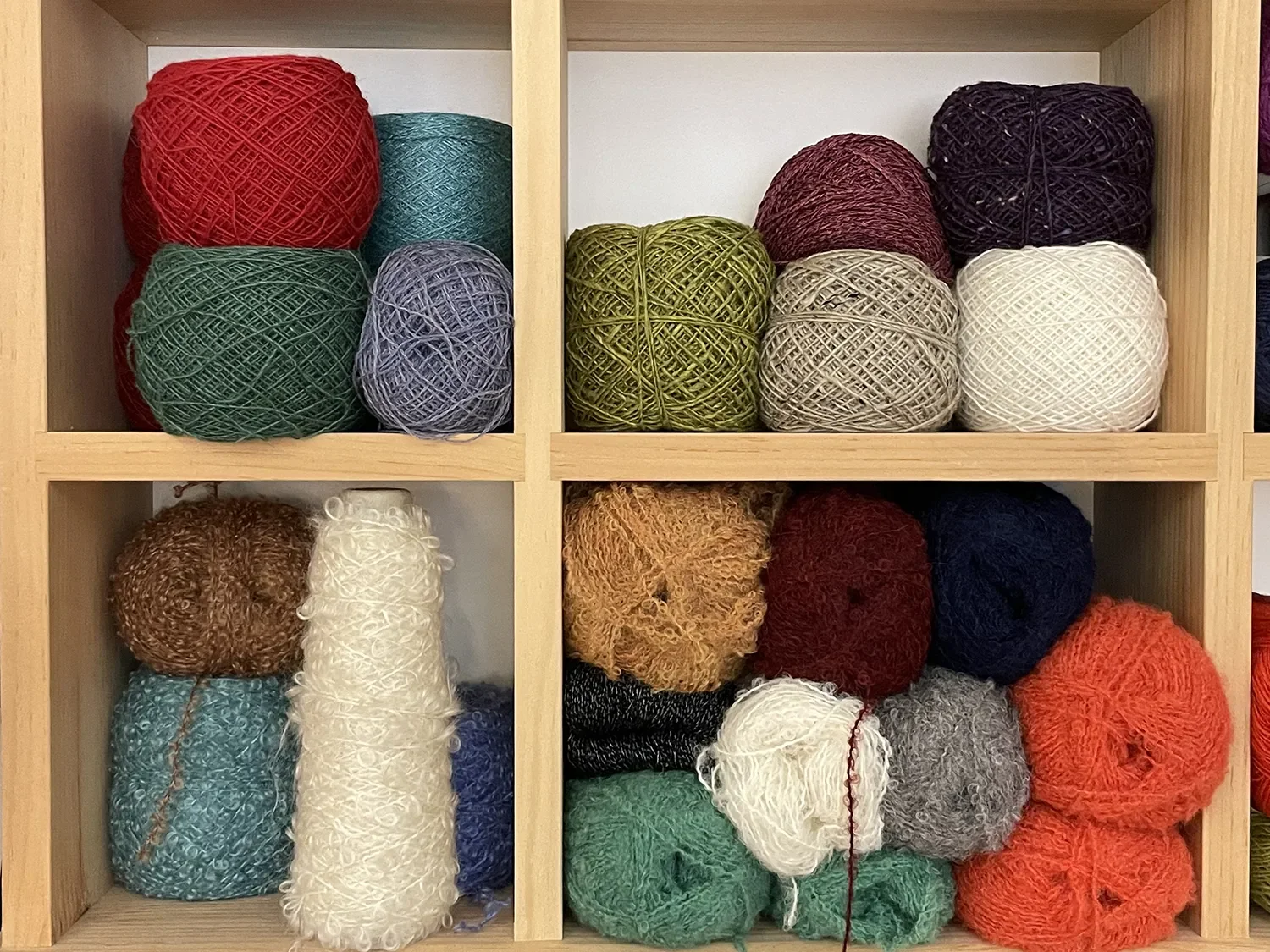
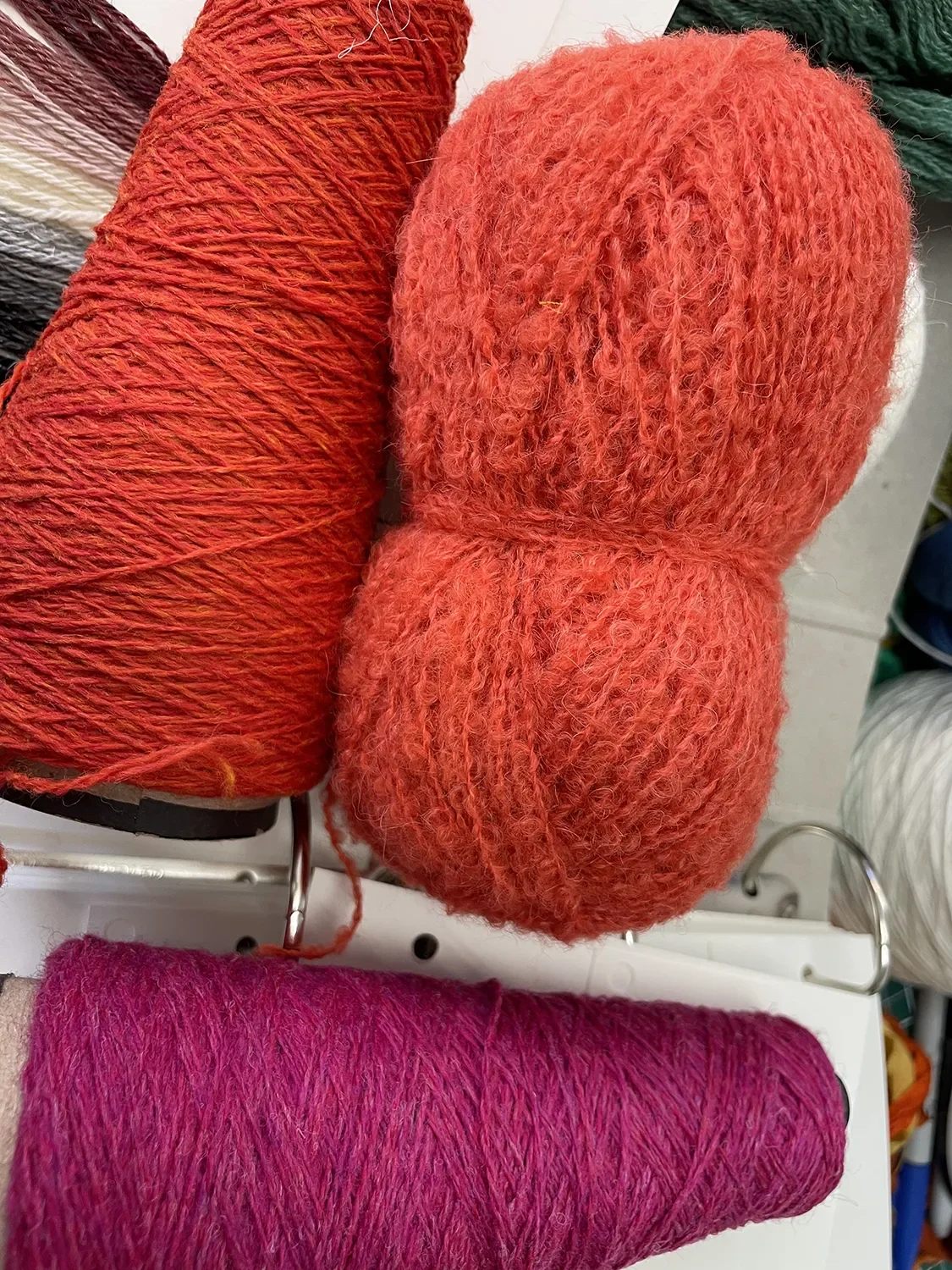
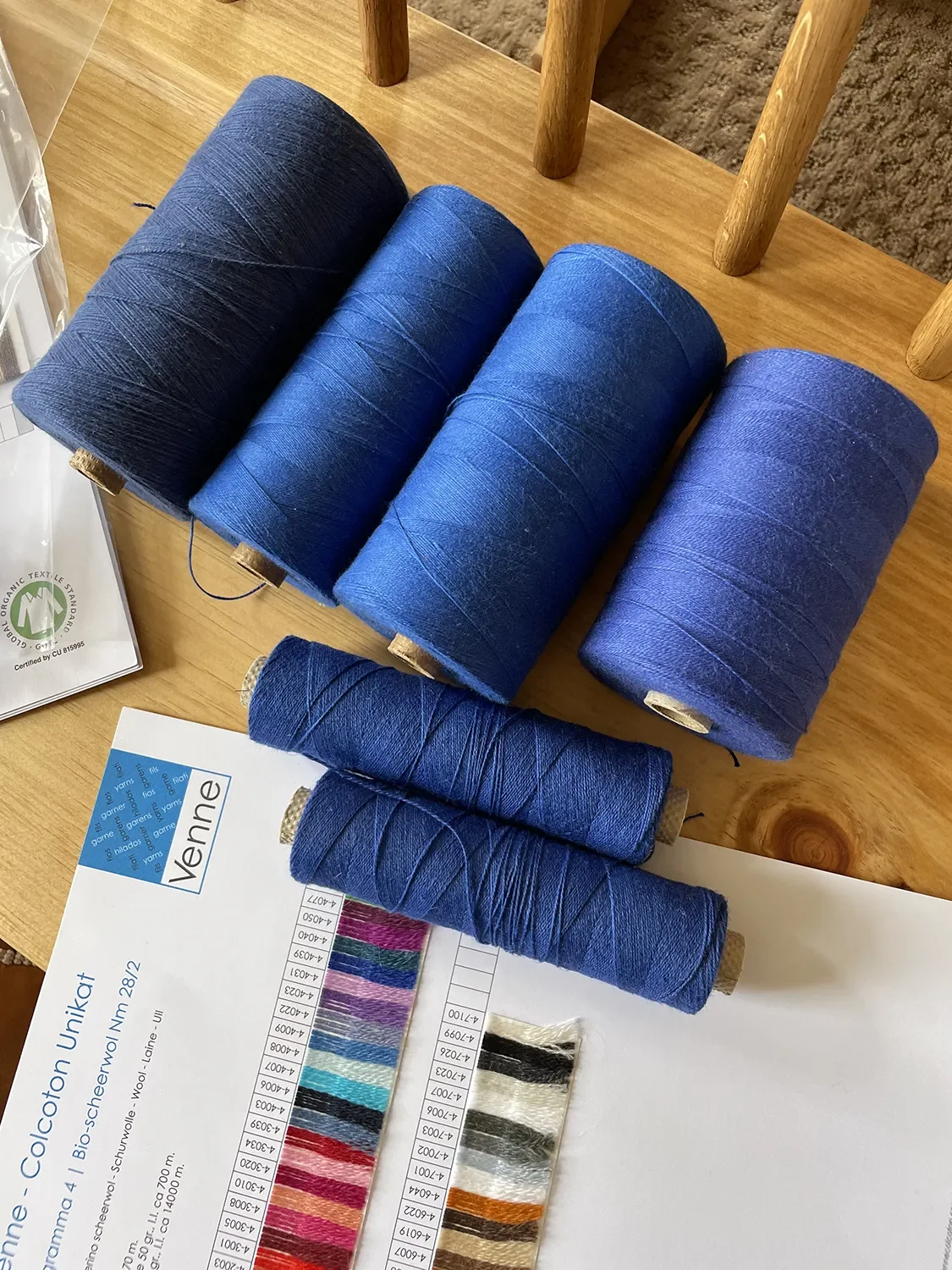
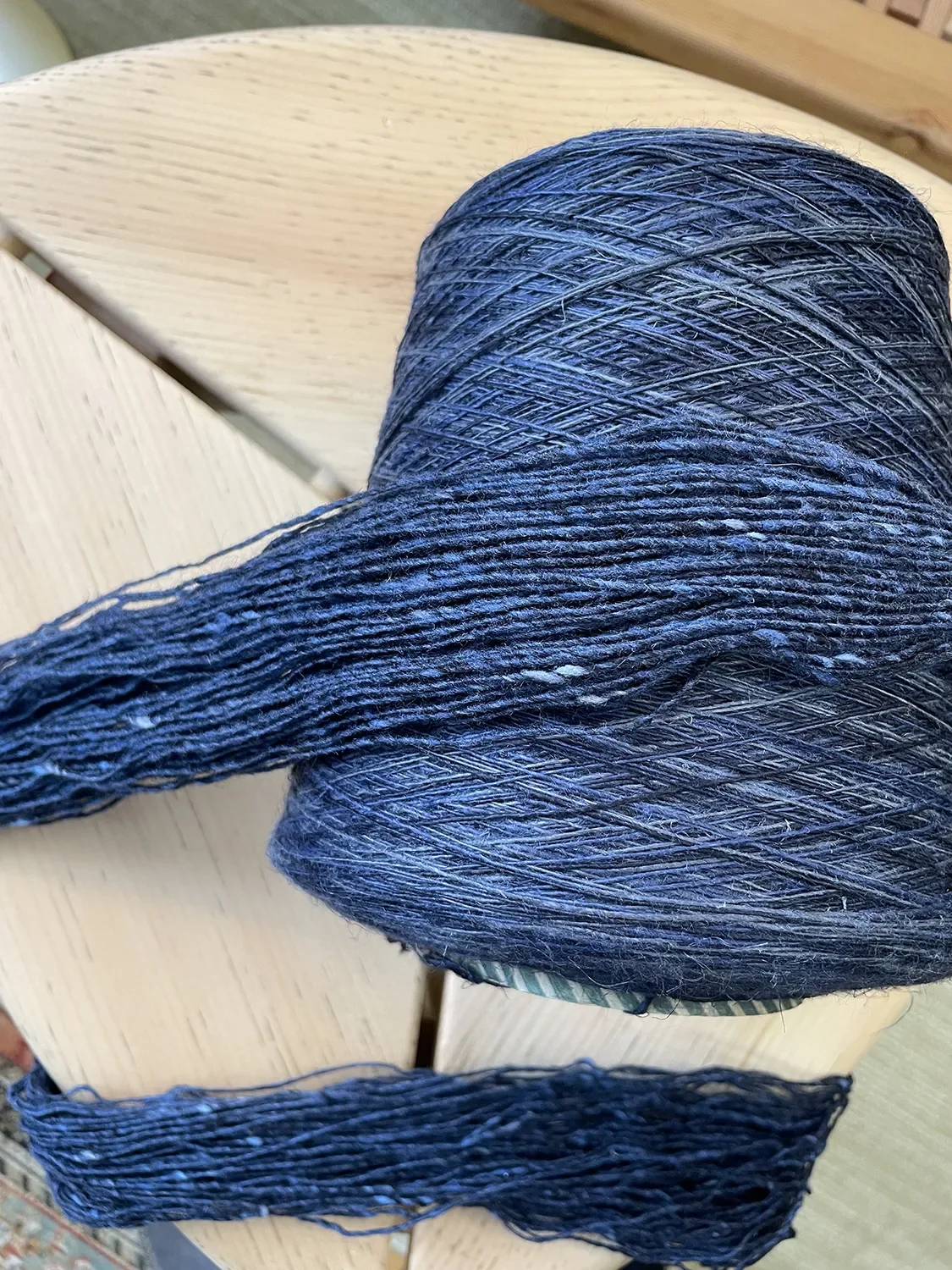
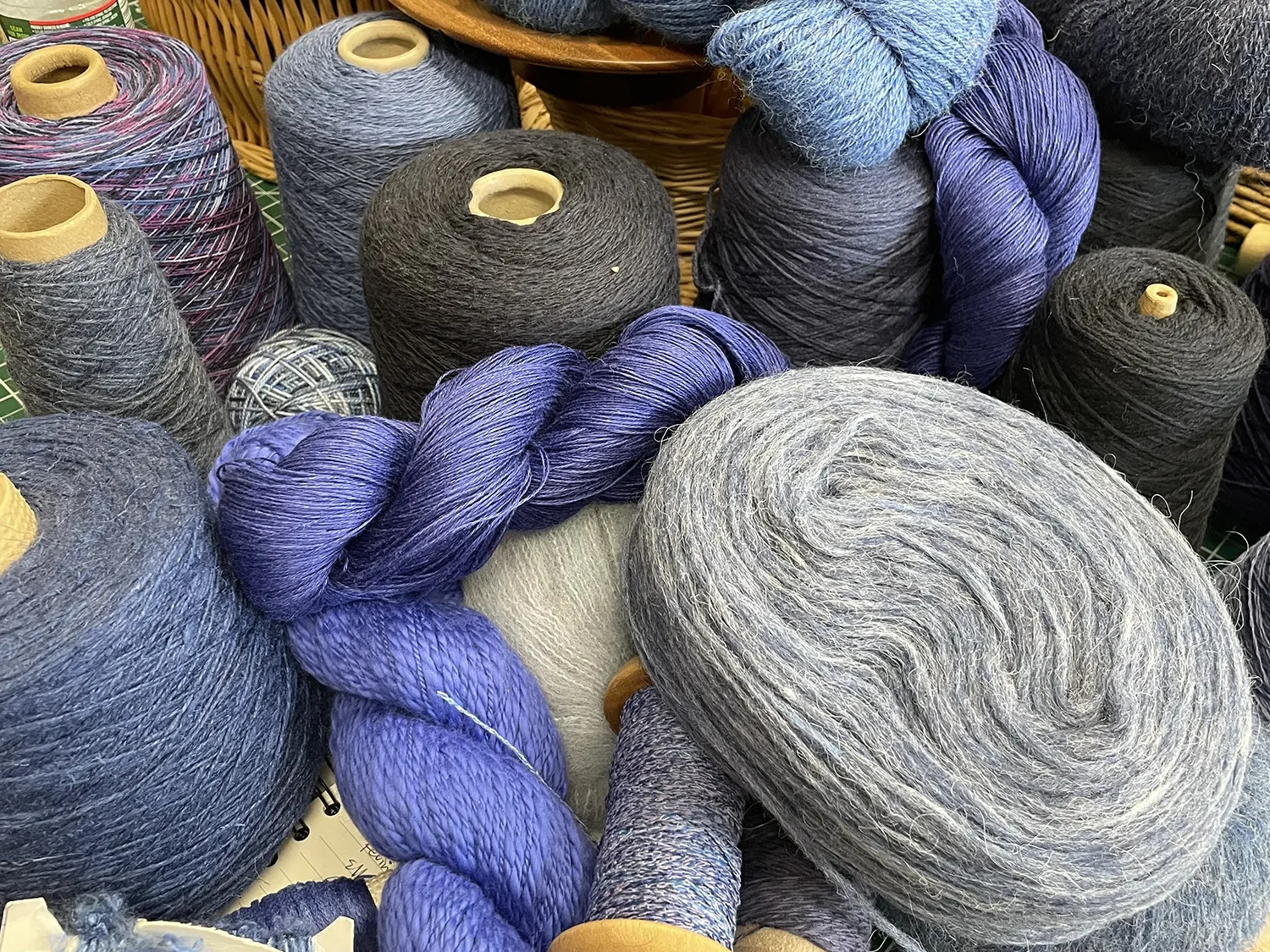
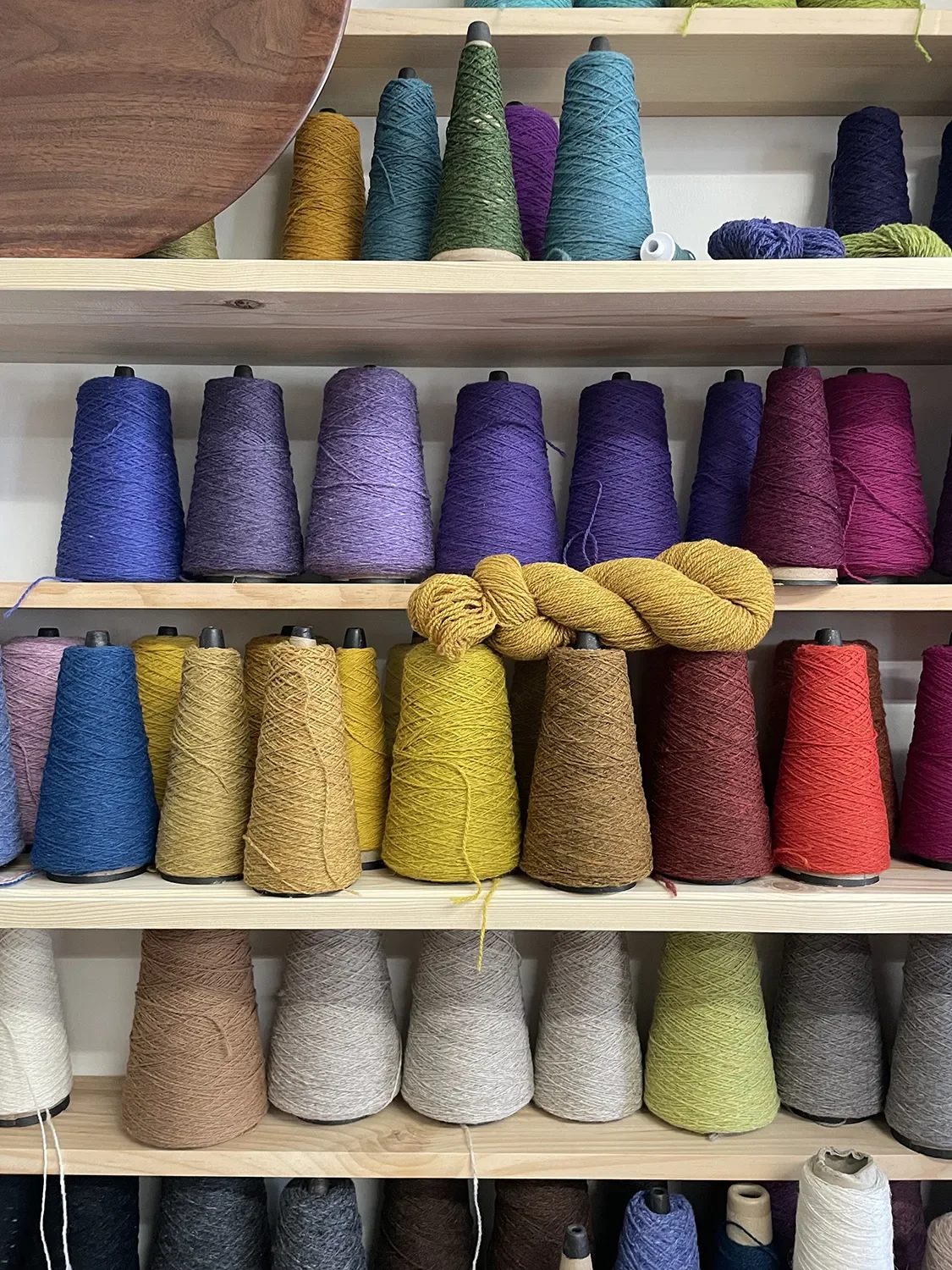
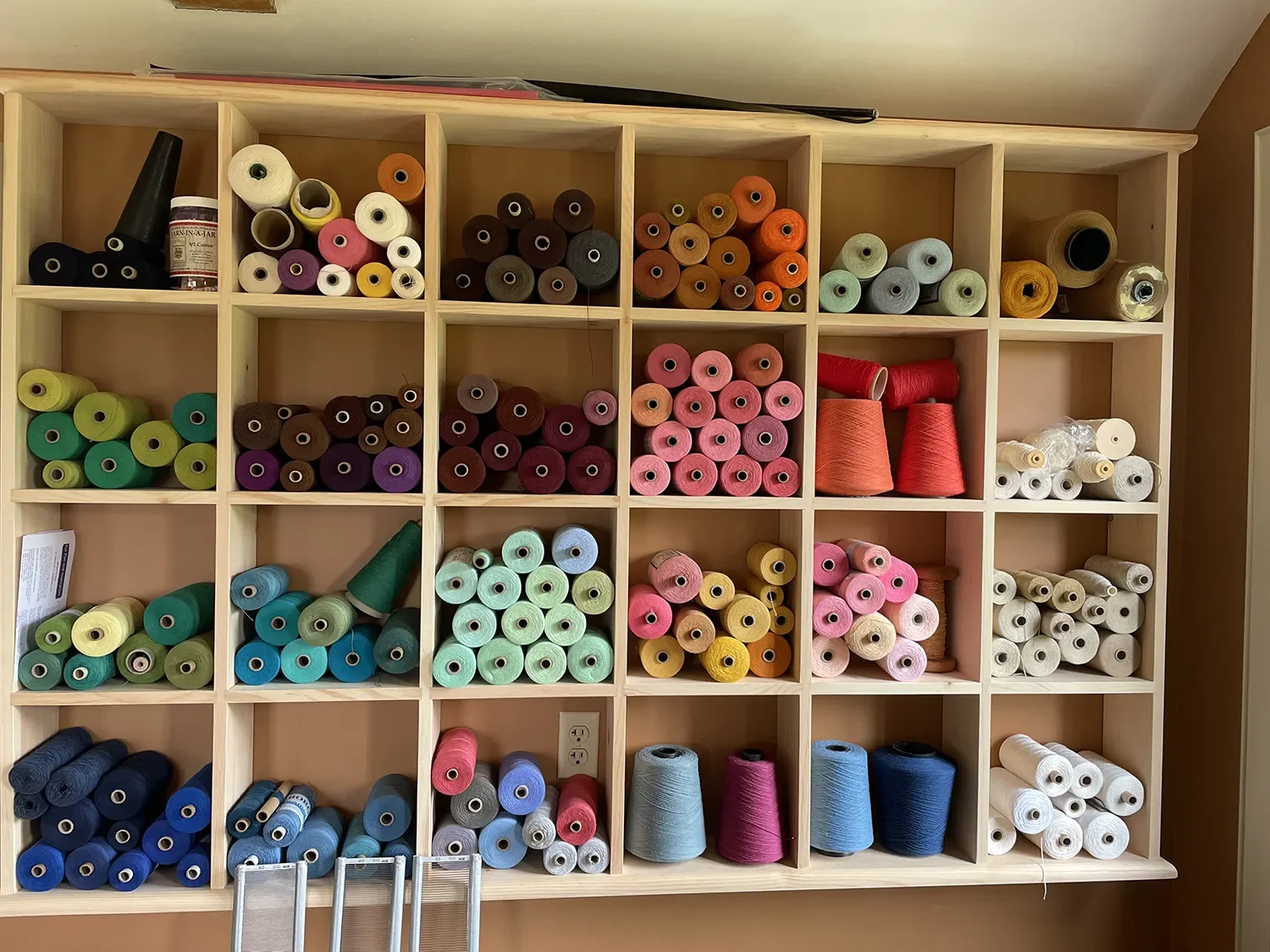
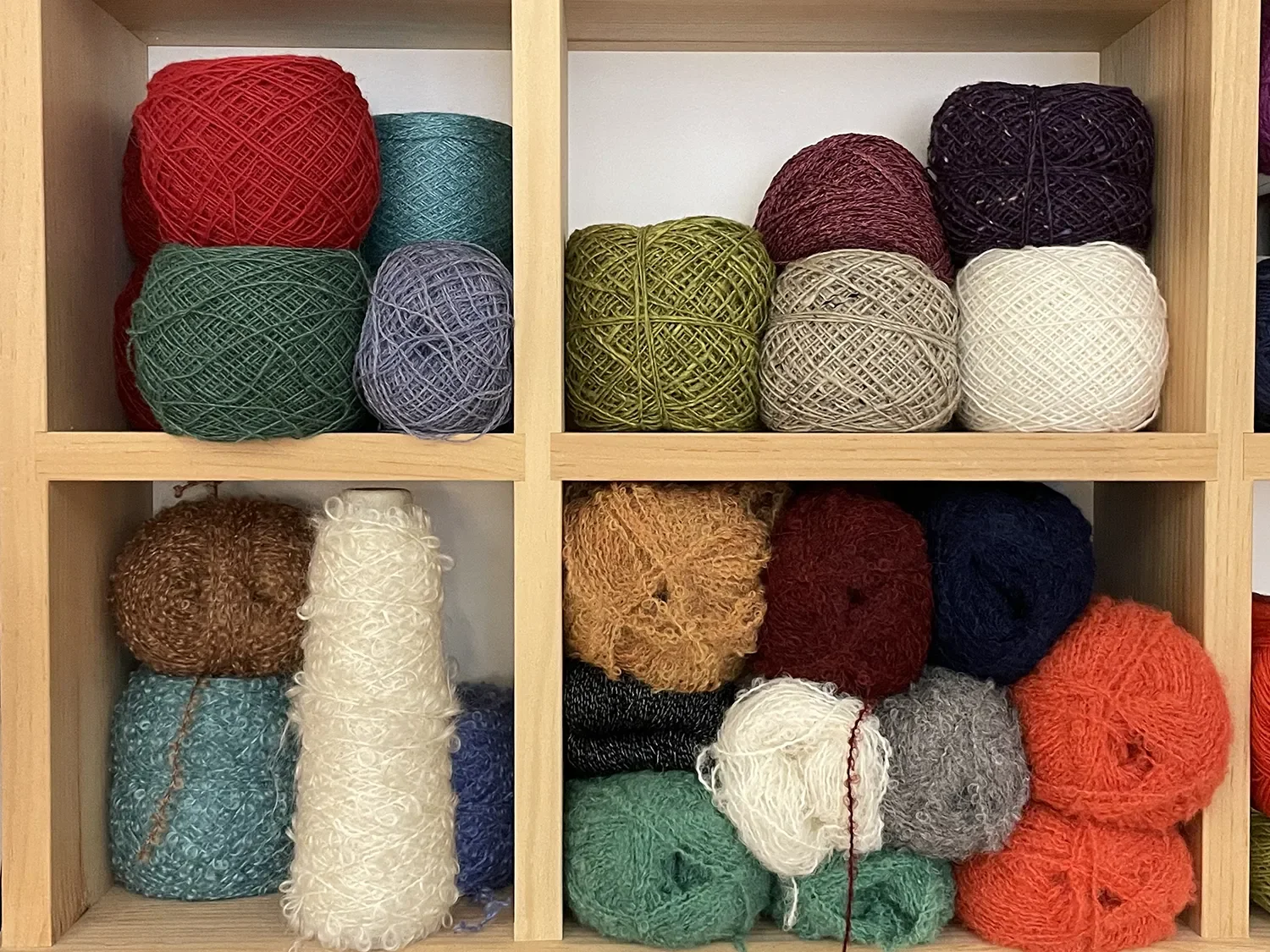
TORY uses yarns spun from natural fibers, including animal fibers such as wool and alpaca as well as plant-based fibers, such as linen and cotton. She seeks out unusual yarns from small producers or dyers, estate sales, and brick and mortar yarn shops run by fiber fanatics, and uses on-line sources as a last resort, often only after having worked with the type of yarn initially purchased for trial purposes. Handwoven cloth intended for use (versus fiber art that is hung or sculptural) is made from fibers that can be washed, and in many cases benefit from repeated washings. Drawing from her educational background in art, art history and landscape architecture, Tory chooses yarns for nuances in color, sheen, or texture. Her handwovens often mix fibers and colors in distinctive combinations, and her studio, bathed in natural light, enables her to see the true colors and sheen associated with the texture of a given yarn.